
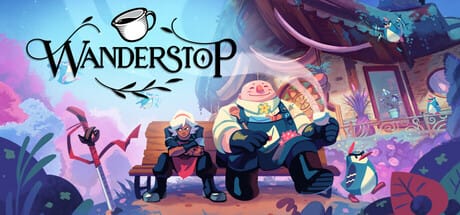

Bottom Line: Wanderstop is a masterfully uncomfortable subversion of the management genre that replaces mindless "zen" with a razor-sharp character study on trauma and forced peace. It is the most vital critique of the cozy-game industrial complex yet produced.
The Mechanical Architecture of Frustration
Most management games succeed by making the "work" feel like a reward. In Wanderstop, the work is designed to feel like a distraction from the life Alta actually wants. The tea-brewing process is a highlight of skeuomorphic design. You aren't just clicking "Make Tea." You are managing a clattering, hissing machine that requires precise attention. This isn't "onboarding friction" born of poor design; it is a deliberate choice to ground the player in the labor of the shop.
The genius lies in the ludonarrative tension. As a player, you might find the brewing loop satisfying, but the game constantly reminds you that Alta finds it demeaning. This creates a fascinating psychological split. You are performing the "cozy" tasks while watching the protagonist's mental state fray at the edges. When Alta looks at a beautiful sunset and thinks about how much better it would look reflected off her blade, the game effectively deconstructs the aesthetic of the "magical forest" trope.
Trauma Management vs. Shop Management
The core loop—harvest, brew, serve—is regularly interrupted by Alta's memories of the arena. These aren't just cutscenes; they are the emotional bedrock of the experience. The writing, as expected from the team behind The Stanley Parable, is tight and avoids the sentimental traps that plague the genre. It doesn't ask you to "fix" Alta. It asks you to inhabit her burnout.
The customers who visit the shop act as mirrors. They are weary travelers looking for a moment of peace, blissfully unaware that their server is a literal war machine holding back a scream. This interaction model exposes the transactional nature of the "service" genre. You aren't just selling tea; you are performing an identity that Alta finds increasingly nauseating.
The C418 Factor
The soundtrack by C418 is doing a lot of heavy lifting here. It captures a sense of "unsettled calm." It provides the melodic DNA of a cozy game but frequently introduces dissonant notes or rhythmic shifts that signal something is wrong beneath the surface. It’s a brilliant bit of audio world-building that mirrors Alta’s own internal conflict.