
Bottom Line: A harrowing, silent masterpiece of the surreal that redefined what games can communicate without saying a word. It is less a product and more a psychological threshold.
The Gameplay Loop of Isolation
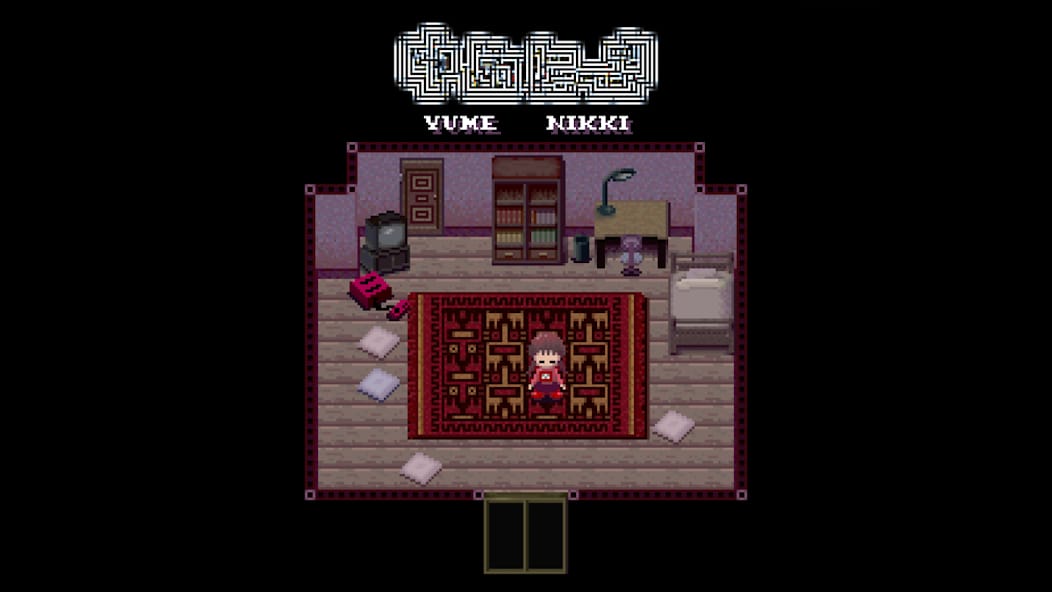
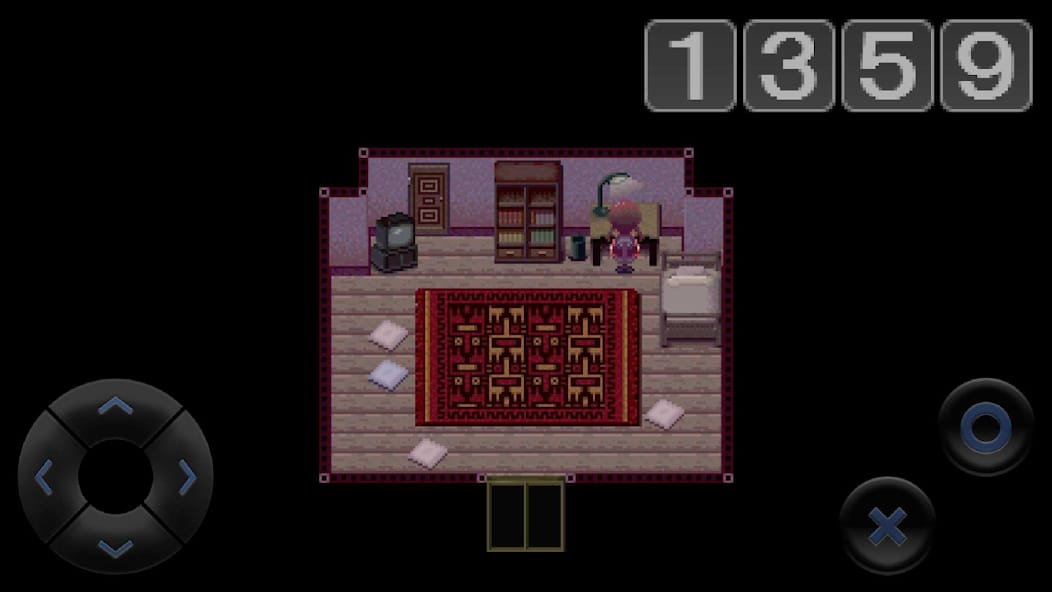
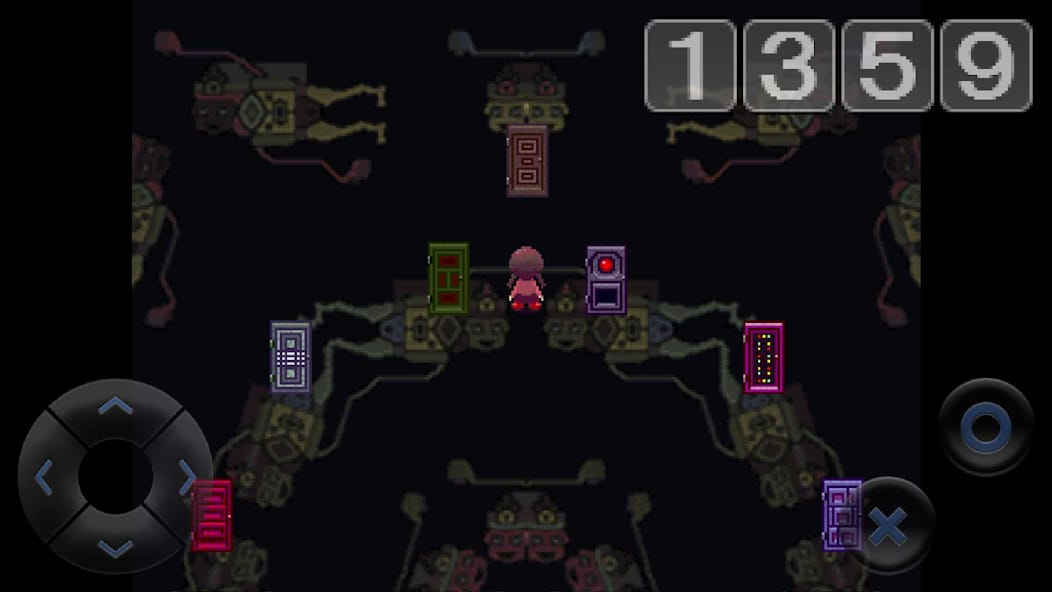
The core loop of Yume Nikki is a cycle of exploration, frustration, and discovery. You wake up in a cramped room, walk to the bed, and dream. You pick a door, walk until the world starts to loop or until you find a landmark, and then you either find an Effect or you wake yourself up to start over. This repetition isn't a design flaw; it’s a deliberate simulation of the stagnant life of a hikikomori.
The brilliance lies in how Kikiyama utilizes the limitations of RPG Maker 2003. The grid-based movement and 16-bit aesthetic are used to create a sense of unstable geometry. You can walk in one direction for what feels like miles in a void, only to stumble upon a lone, pulsing organ or a static NPC that reacts only if you brandish the knife. This creates a specific type of psychological tension—not the jump-scare variety found in modern horror, but a deep, existential dread born from the unpredictable.
The Mechanics of the Subconscious
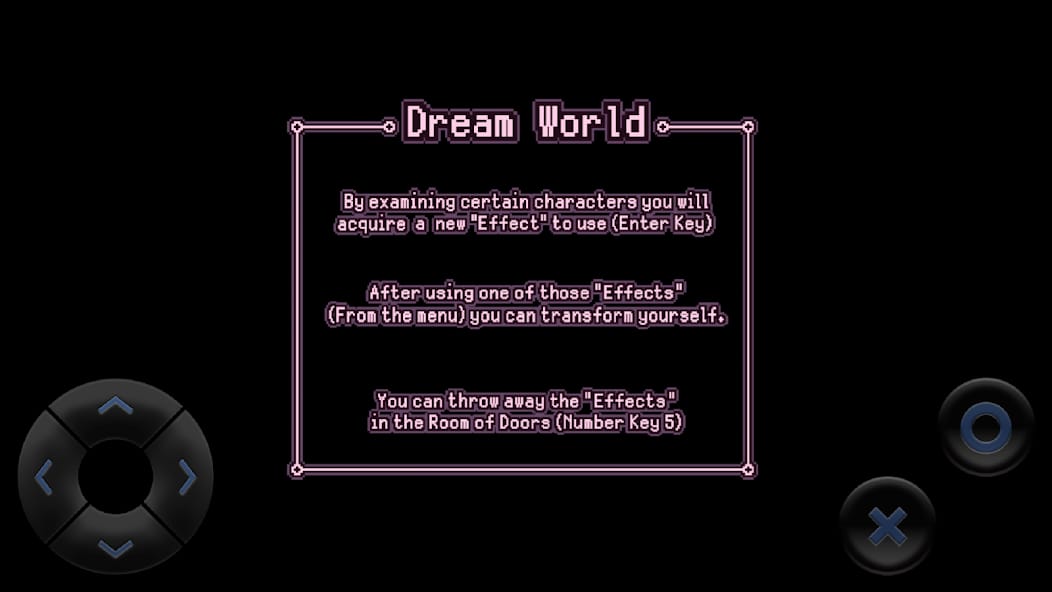
The Effects themselves are fascinating in their uselessness. In a traditional RPG, a "Knife" would be for combat. Here, it is a tool for seeing how the world breaks. Stabbing certain NPCs might trigger a teleportation to a hidden sub-area or cause a permanent change in the world's state. The "Medamaude" effect turns Madotsuki’s head into a giant hand with an eye, allowing her to warp back to the Nexus. These aren't power-ups; they are navigational keys for a map that refuses to be mapped.
The user experience is defined by intentional disorientation. There is no map, no quest log, and no "North Star." You are meant to get lost. This lack of direction creates a high degree of discovery satisfaction. Finding the "Uboa" event—a rare, terrifying graphical shift in a specific room—feels like uncovering a secret that the game didn't want you to see. It’s an exercise in digital archaeology, where the player must piece together Madotsuki’s trauma through visual metaphors.
Sound as Narrative
The audio design is perhaps the game's most effective tool. The soundtrack consists of short, rhythmic loops that are often discordant or unnervingly cheerful. These loops burrow into the player's consciousness, creating a hypnotic state that mirrors the dreaming process. The latency between seeing something bizarre and hearing its accompanying sound effect—a wet squelch or a mechanical hum—is timed perfectly to maximize unease. It is a masterclass in using minimal assets to achieve maximum atmospheric immersion.