



Bottom Line: Slowly is a masterclass in intentional friction, proving that the agonizing wait for a digital letter is infinitely more rewarding than the hollow ping of an instant message.
The brilliance of Slowly lies in its understanding of psychological investment. Most social apps aim to reduce friction to zero; Slowly weaponizes it. When you know a letter will take 24 hours to reach a recipient in Tokyo, the stakes of your writing shift. You don't just "text"—you compose. This shift in the gameplay loop of social interaction is what makes the app feel so distinct. You find yourself checking the delivery status not with the irritation of a failing data connection, but with the genuine anticipation of a meaningful arrival.
The Mechanics of Connection
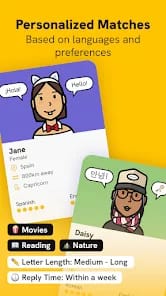
The onboarding process is refreshingly rigorous. You aren't just thrown into a feed. You select your interests, your language levels (a godsend for those using the app for language acquisition), and your topics of conversation. The matching engine feels more like a library index than a swipe-deck. When you find a potential pen pal, the first letter is an exercise in vulnerability. Without the crutch of photos or instant feedback, you are forced to rely on the strength of your prose.
However, the experience isn't without its modern pollutants. As noted in recent community feedback, the "dead internet theory" is beginning to cast a shadow even here. The rise of AI-generated letters—low-effort, ChatGPT-style fluff—threatens the very soul of the platform. There is a palpable frustration when a user waits 12 hours for a letter only to receive a generic, bot-like response. Slowly’s developers face a critical crossroads: they must find a way to police this "automated sincerity" without infringing on the privacy that makes the app a safe space.
The Stamp Economy
The virtual stamp system is more than just a aesthetic gimmick; it is a stroke of retention-focused genius. By tying unique stamps to specific countries or events, Slowly encourages users to "travel" digitally and interact with people from diverse backgrounds. It provides a secondary layer of satisfaction—a digital philately that rewards long-term engagement. It’s a rare example of gamification that doesn't feel cynical or exploitative; it feels like a tribute to the hobby it mimics.
The Ghosting Problem
Despite the "slow" ethos, the app suffers from a high churn rate among new users who haven't yet calibrated their expectations to the app's tempo. "Ghosting" is rampant, and it’s arguably more painful here than on Tinder. When you’ve invested an hour into a thoughtful letter and waited two days for it to arrive, the silence that follows is deafening. Slowly attempts to mitigate this with "auto-match" features, but these often lead to lower-quality connections. The platform thrives most when users manually curate their pal list, but this requires a level of patience that modern mobile users often lack.