
Bottom Line: Toggl Track remains the gold standard for frictionless time tracking, prioritizing user trust over invasive surveillance, though its premium pricing may give larger teams pause.
The brilliance of Toggl Track lies in its refusal to be a "nanny." In the current tech landscape, many productivity tools have drifted toward surveillance capitalism, offering managers "heat maps" of employee activity that breed resentment and burnout. Toggl takes the opposite tack. It assumes the user is a professional who wants to understand their own habits. This focus on autonomy is why the tool has survived while more complex competitors have faded into the background noise of enterprise bloat.
The Frictionless Loop
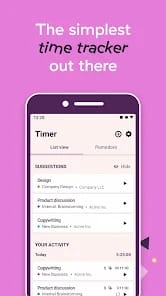
The most critical part of any time-tracking software is the input latency—not technical lag, but the cognitive load required to start a timer. If a user has to navigate three menus and fill out five mandatory fields before they can start working, they simply won't use the app. Toggl’s interface is built to minimize this. You type what you’re doing, hit the button, and the app handles the rest. The Pomodoro timer and idle detection features serve as subtle guardrails, reminding you to stay focused or prompting you to discard time spent away from the keyboard. It’s a system that rewards the habit of tracking rather than punishing the occasional lapse.
Data as a Weapon
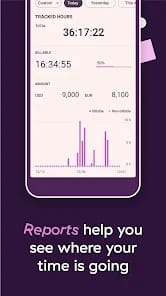
Where Toggl moves from a utility to a powerhouse is in its reporting suite. For a freelancer, the "Detailed Report" is effectively a paycheck. The ability to filter by project, client, or tag allows for a level of data granularity that makes billing disputes nearly impossible to lose. You aren't just telling a client you worked ten hours; you are showing them the exact distribution of that time across their various demands. For teams, this data exposes the "invisible work"—the endless "quick questions" and unscheduled meetings that eat into high-value production time.
The Cost of Clarity
However, the platform is not without its thorns. While the free tier is surprisingly generous for individuals, the jump to the Starter and Premium plans is steep. For a small agency, the monthly per-user cost can quickly rival the price of a full project management suite. At this price point, you start to look for more than just a timer. While Toggl offers features like "Billable Rates" and "Project Forecasts," some users might find themselves wondering if they are paying a premium for simplicity that they could find elsewhere for half the price.
Furthermore, the "trust-first" approach means that if a team member is genuinely unmotivated, Toggl won't catch them. It is a tool for people who want to be productive, not a net for catching those who don't. This is a deliberate design choice, but it’s one that requires a specific company culture to succeed.