
Bottom Line: Brotato is a masterclass in distilled complexity, stripping the "survivors-like" genre to its mathematical bones and proving that true depth doesn't require a sprawling map, only a perfectly tuned shop.
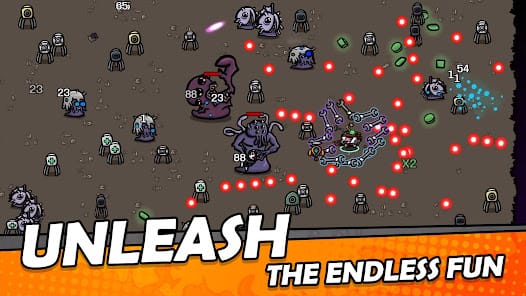
The brilliance of Brotato isn't found in the shooting—which is largely automated—but in the Shop Phase. Every 60 seconds, the action stops, and you are presented with a tactical crossroads. Do you spend your limited materials on a new SMG to increase your fire rate, or do you invest in "Harvesting" to ensure your economy snowballs in later rounds? This is where the game’s strategic depth truly shines.
The Economy of Violence
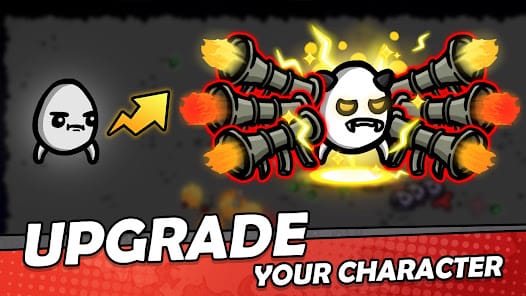
Unlike its peers, Brotato understands that the most interesting decisions in a roguelite involve trade-offs. Most items that provide a significant buff also carry a stinging debuff. An item might give you a massive boost to "Life Steal" but tank your "Armor." This creates a constant state of friction in the player's mind. You aren't just collecting power-ups; you are balancing a budget. The inclusion of the "Luck" stat adds another layer of gambling—investing in Luck early increases the rarity of items in the shop later, but it leaves you vulnerable in the short term. It’s a high-stakes game of chicken against a ticking clock.
Character as Archetype
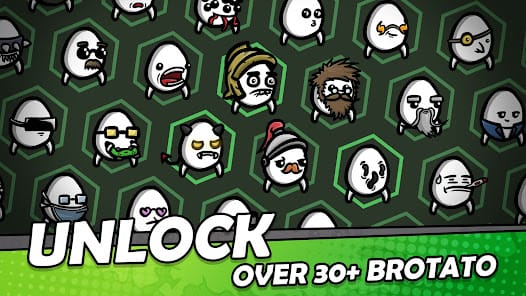
The character roster is where Brotato leaves the rest of the genre in the dust. In many survivors-likes, characters feel like minor stat tweaks. In Brotato, a character choice is a fundamental shift in philosophy. Playing as the "Bull"—who cannot use weapons and deals damage by exploding when hit—requires a completely different mental map than playing as the "Sniper," who needs to stand still to maximize damage. This variety ensures that the single-arena layout never feels stagnant. The environment doesn't need to change because the mechanical context of your survival changes every time you click "New Run."
Onboarding and Accessibility
Blobfish has also solved the genre's typical "difficulty wall" through a granular "Danger" system (D0 through D5) and extensive accessibility sliders. You can manually adjust enemy health, damage, and speed. While some purists might scoff, this transparency is refreshing. It allows the player to find their own "fun zone" while still providing the crushing challenge of Danger 5 for the masochists. The game doesn't hide its math; it invites you to tinker with it.