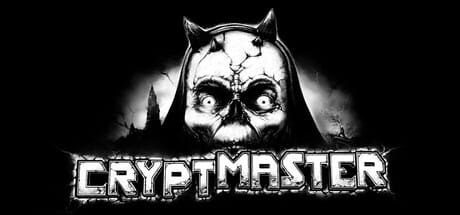
Bottom Line: Cryptmaster is a brilliant, monochromatic subversion of the dungeon crawler that proves the pen—or the keyboard—is mightier than the sword. It is a rare mechanical triumph that treats language as a physical force.
The core loop of Cryptmaster is a masterclass in onboarding friction done right. Many games fail when they ask the player to "type anything," leading to the "what do I do now?" paralysis. Cryptmaster avoids this by grounding its world in the familiar tropes of the dungeon crawl but swapping the input method.
The Verb as a Weapon
Combat is where the system truly shines. You aren't just cycling through cooldowns; you are frantically typing "HIT," "SOOTHE," or "ZAP" as enemies close in. Each hero’s abilities are mapped to specific words of varying lengths. As you progress, the complexity increases. You aren't just managing health and mana; you are managing character counts and typing speed. The genius lies in how the game handles real-time pressure. In the heat of a skirmish, forgetting the word for a shield spell feels like a genuine mental lapse rather than a failure of the controller's thumbstick. It’s a visceral connection between the player's mind and the character's action.
Progression through Perception
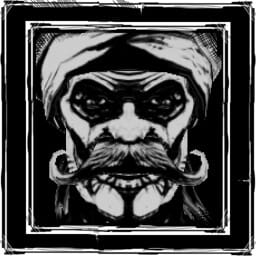
The RPG elements are brilliantly tied to a system of Hangman-style deduction. To unlock a new ability for your Juggernaut, you might need to guess a five-letter word related to "crushing." You earn letters by interacting with the environment—examining items, talking to the Cryptmaster, or finding hidden caches. This turns the entire game world into a massive puzzle box. You find yourself scrutinizing the Cryptmaster's witty dialogue not just for flavor, but for clues. The titular character himself is a highlight; his voice acting is superb, providing a constant stream of sarcastic encouragement and meta-commentary that keeps the momentum from flagging during the more cerebral segments.
Mechanical Friction
However, the experience isn't without its rough edges. The grid-based movement feels intentionally archaic, a nod to Wizardry or Eye of the Beholder, but in a world that feels this innovative, the clunkiness of turning 90 degrees at a time can feel like a relic. There’s also the matter of the late-game difficulty. While the early puzzles are clever and rewarding, the end-game introduces spikes that require a level of specific deduction that might frustrate those who aren't "word people."
The inclusion of mini-games—fishing, card battles (Whatever), and creature collecting—fleshes out the world, ensuring that the "word game" gimmick never feels like a one-trick pony. These diversions use the same core mechanics but apply them to different logical frameworks, proving the versatility of the engine.