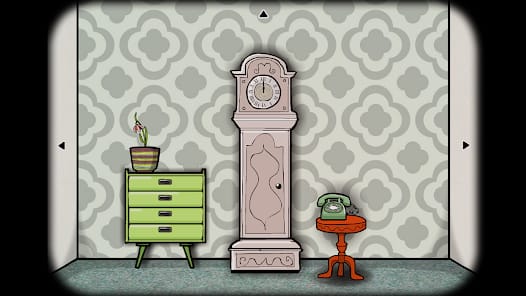

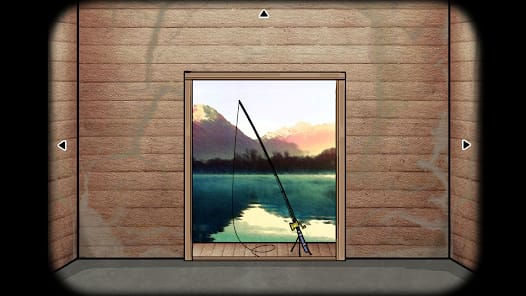
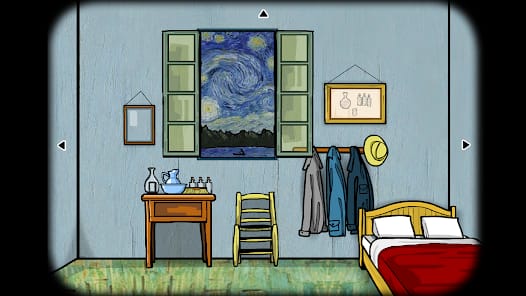
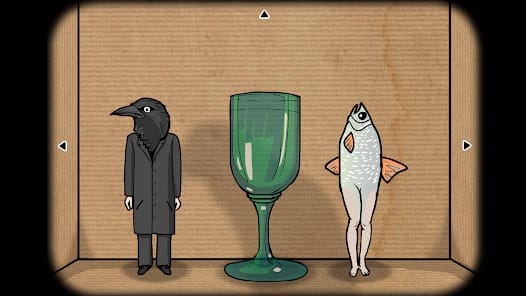
Bottom Line: Rusty Lake's Cube Escape Collection is a meticulously preserved anthology, offering a compelling journey into the developer's signature brand of unsettling point-and-click adventure, now revitalized for a new generation.
The enduring appeal of the Cube Escape Collection resides in its singular fusion of abstract logic puzzles with a relentlessly oppressive atmosphere. Rusty Lake understands the inherent tension within the point-and-click genre: the player’s agency is simultaneously absolute within the confines of a room and utterly helpless against the unfolding psychological horror. Each game functions as a micro-narrative, often confined to a single, claustrophobic cubic environment. The ingenious design ensures that every object, every cryptic clue, every seemingly innocuous detail contributes to both the puzzle's solution and the overarching narrative's unsettling progression. This is not mere busywork; it is a constant, interwoven process of discovery.
The narrative, a hallmark of Rusty Lake’s work, unfolds across these nine distinct chapters, revealing fragments of Detective Dale Vandermeer’s fragmented psyche and the ominous influence of the titular Rusty Lake. The progression from simple environmental interactions in Seasons to the more complex, multi-room mysteries of Case 23 and The Mill showcases a remarkable evolution in design philosophy. Players are not simply solving puzzles; they are reconstructing a deeply disturbed reality, piecing together a timeline riddled with reincarnation, grotesque experiments, and an underlying sense of cosmic dread. The storytelling is minimalist, relying heavily on environmental cues, oblique dialogue, and the player's own inference, creating a participatory horror experience that lingers long after the credits roll.
Puzzle design, while generally lauded, occasionally veers into the realm of the esoteric. Some solutions demand leaps of logic that can feel less like deduction and more like speculative experimentation, a trait common in the Flash adventure games this collection originates from. However, even these moments of frustration contribute to the collection's unique identity. They force players to internalize the surreal logic of the Rusty Lake universe, rewarding persistence and a willingness to think outside conventional boundaries. The inclusion of a hint system in the Steam version wisely mitigates potential roadblocks without trivializing the core challenge, allowing players to recalibrate their approach when truly stumped rather than resorting to external guides. This is a crucial design concession that respects both the game's difficulty and the player's time.
The collection excels at world-building through consistent thematic elements—crows, taxidermy, dilapidated interiors, and a pervasive sense of decay. These elements are not just aesthetic choices; they are fundamental components of the narrative language, hinting at deeper lore and connections that tie the disparate cubes into a terrifyingly coherent whole. The psychological depth, while rarely explicit, is profound, exploring themes of memory, identity, and the cyclical nature of trauma through a deeply symbolic lens. The games demand replayability, not for different endings, but for a deeper understanding of the subtle clues and foreshadowing woven throughout the tapestry of Dale's journey. It’s an intellectual exercise as much as it is a game.