Bottom Line: Red Candle Games weaponizes a real atrocity — Taiwan's White Terror — into one of the most quietly devastating horror games of the last decade. It's short, mechanically simple, and you will not forget it.
The Gameplay Loop
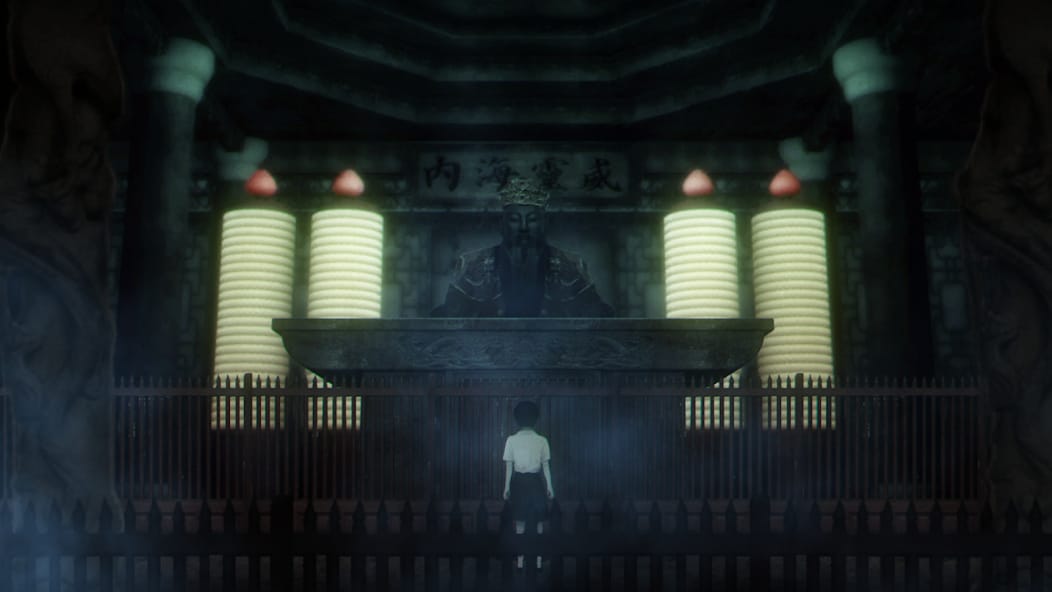
Mechanically, Detention is a classic point-and-click adventure wearing side-scroller clothes. You walk left and right through the school's corrupted geography, examine objects, pocket items, and apply them to environmental puzzles. Anyone who grew up on the genre will recognize the skeleton immediately — and will also recognize its limits. The puzzles are rarely difficult. Most are solved by reading the room: a ritual described on a scrap of paper, an altar missing its offering, a mirror that shouldn't be looked at. The friction is deliberately low because the puzzles aren't there to test you; they're there to make you perform the culture. Placing joss paper in a furnace or offering rice to a hungry ghost teaches you the logic of the world through your hands, not a codex entry.
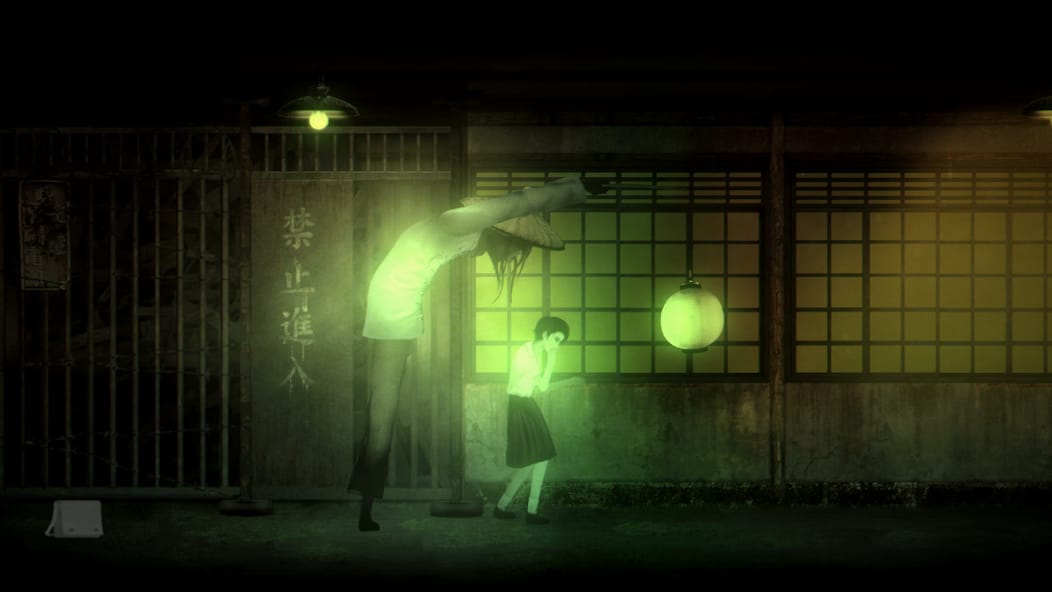
The stealth sections — holding your breath while the lingered patrol the halls — provide the game's only real mechanical tension, and they're front-loaded. By the midpoint, the spirits largely recede and Detention becomes almost pure narrative excavation. Some players will read that as the game running out of ideas. I read it as a structural choice: the supernatural threat fades precisely as the human one comes into focus. The scariest thing in this game is not a ghost. It's a knock on the door from the authorities.
The Story Is the Mechanic
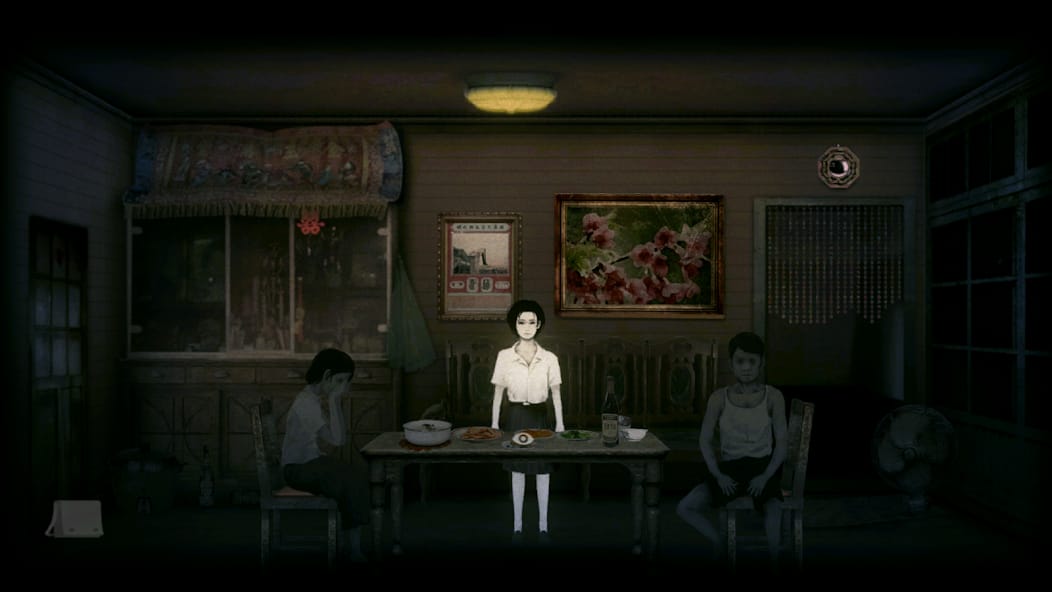
Here's the thing critics of the "walking simulator adjacent" school miss about Detention: the narrative architecture is the design achievement. The game opens as a haunted-school mystery and gradually inverts into a psychological autopsy — a story of forbidden reading groups, an informant, and the machinery of state violence grinding through a handful of teenagers and teachers. The mid-game perspective shift is executed with genuine confidence, and the final hour lands a gut punch that recontextualizes every symbol you've walked past: the nooses, the mirrors, the recurring imagery of water and puppetry.
Crucially, Red Candle never lectures. The White Terror is rendered through specific, personal consequence — a confiscated book, an empty desk, a name that stops being spoken — rather than exposition dumps. That restraint is what elevates this above "educational game about a dark period." It trusts the player, and the trust is repaid.
Where It Falls Short
Fair is fair: the adventure-game verbs are thin. Inventory puzzles occasionally reduce to "walk the hallway until the item fits the slot," and the back half offers almost no resistance of any kind. At three to four hours with minimal replay incentive beyond a second ending, players who measure value in mechanical depth per dollar will bounce. The English localization, while competent, occasionally flattens dialogue that clearly carries more weight in Traditional Chinese — a real, if unavoidable, loss. And if you arrive expecting horror in the Resident Evil or Outlast tradition, the near-total absence of threat after the opening act will feel like a bait-and-switch.
None of these are fatal. All of them are worth knowing before you buy.