
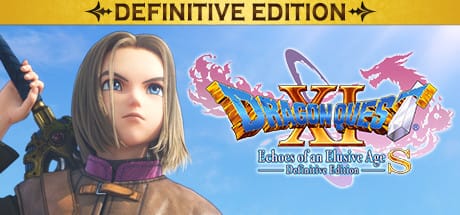


Bottom Line: Dragon Quest XI S is the rare "definitive edition" that earns the label — a sprawling, warm-hearted, 100-plus-hour JRPG that trades innovation for craftsmanship and wins the bet almost every time. On Switch it's the complete package; on Steam it comes with one asterisk worth reading.
The Gameplay Loop
Dragon Quest XI S runs on a loop so old it predates most of its players: arrive in town, hear a self-contained tragedy or farce, solve it in the local dungeon, grow attached to everyone involved, move on. What makes it work in 2026 is pacing discipline. Each town vignette is a short story with a beginning, middle, and end — a mermaid's doomed romance, a city obsessed with a horse race, a kingdom frozen in literal and emotional ice. The game is an anthology wearing an epic's clothes, and the anthology format is why 100 hours rarely feels like 100 hours.
Combat is menu-driven, turn-based, and unhurried, and here's where the critical eye has to be honest: it's too easy for too long. On default settings, a player with a pulse and a healer will cruise through the first act barely threatened. The fix exists — the Draconian Quest options let you enable stronger monsters, reduced XP, and other self-imposed handicaps at the start of a run — but burying your difficulty curve in an opt-in menu is a design cop-out. Veterans should switch on "Stronger Monsters" immediately; it transforms the combat from pleasant to genuinely tactical, forcing real engagement with buffs, debuffs, and the Pep system instead of mashing Attack.
Pep Powers are the best modern addition. Characters randomly enter a "pepped" state mid-battle, unlocking flashy team-up attacks that consume the state. Because pep is semi-random, deciding whether to spend it now or bank a character on the bench creates a small resource economy inside every major fight. It's not deep, exactly, but it's a steady drip of interesting decisions in a system that would otherwise coast.
The Forge and the Grind
The Fun-Size Forge deserves specific praise. Crafting in most RPGs is a spreadsheet; here it's a timing-and-resource minigame where you hammer equipment stats into shape, and it's compelling enough that "one more forge session" becomes its own trap. Crucially, forged and upgraded gear consistently outpaces shop inventory, so the system isn't optional garnish — it's the actual equipment progression, and it makes every recipe book you loot from a bookshelf feel like treasure.
The S version's quality-of-life work is what elevates this above the 2018 release. Ultra-fast battle speed turns grinding into a two-minute errand. Riding monsters, forging anywhere from the camp menu, dashing — dozens of small frictions sanded off. This is what a definitive edition should be: the same game with fewer reasons to put it down.
Structure and the Long Tail
Fair warning on shape: the opening hours are slow, a common and legitimate complaint. Dragon Quest trusts its slow burn, and the payoff is real — the story pulls a structural swing at the two-thirds mark that recontextualizes the entire adventure — but the first five hours ask for patience the game hasn't yet earned. There's also a substantial post-game that is, arguably, the real third act; stopping at the credits means missing some of the strongest content. Add casinos, horse racing, side quests, and Tickington, and the value proposition borders on absurd.