
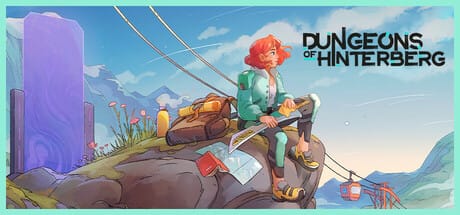



Bottom Line: Dungeons of Hinterberg is a masterclass in genre-blending that proves "cozy" and "challenging" can coexist in the same crisp, alpine air. It’s a sharp, stylish critique of modern tourism masquerading as a brilliant action-RPG.
The brilliance of Dungeons of Hinterberg lies in its mechanical restraint. While modern AAA titles suffer from "map vomit"—hundreds of icons screaming for attention—Microbird Games opts for a curated, intentional experience. Every day presents a choice: which of the four regions will you visit, and which of its 25 dungeons will you tackle? This structure removes the aimless wandering that plagues the genre, replacing it with a rewarding sense of momentum.
The Genius of Regionality
Most RPGs give you a spellbook and call it a day. Hinterberg gives you a toolkit. When you enter the forest of Hinterwald, you’re granted a magical flail and a whirlwind ability. These aren't just for hitting goblins; they are the keys to the environment. You’ll use the flail to swing across ravines and the whirlwind to power ancient machinery. Move to the snowy peaks of Bründl, and those powers are swapped for a hoverboard and a giant glacier-summoning spell.
This regional locking of abilities is a stroke of genius. It ensures that the puzzles in each area remain fresh and focused. You aren't constantly scrolling through a massive inventory to find the right tool; you are mastering the specific physics of the mountain you’re currently standing on. The puzzles themselves are surprisingly sophisticated, often requiring a level of spatial reasoning that puts recent Zelda shrines to shame.
Social Capital as Currency
If the dungeons are the heart of the game, the social simulation is its nervous system. During the evening phase, you navigate the village of Hinterberg. Each character you spend time with offers a unique perk tree. Hanging out with the local journalist might improve your "Renown," allowing you to access VIP areas, while befriending a veteran slayer might unlock a parry mechanic.
This creates a tension that is rarely found in action games. Do you spend the night resting to boost your HP for tomorrow’s grind, or do you stay out late with a friend to unlock a new magic slot? It’s a reflection of the "burnout" theme: you can’t do everything, and your choices have tangible costs. The writing here is punchy and avoids the saccharine tropes of the "friendship is magic" variety. These characters have their own agendas, anxieties, and opinions on how tourism is ruining their home.
Combat: Function over Flash
If there is a friction point, it’s the combat. The hack-and-slash encounters are competent—offering a mix of light/heavy attacks and dodge rolls—but they lack the surgical precision of a dedicated character action game. The monsters, inspired by Alpine folklore, are visually striking, but the encounters can occasionally feel like a secondary concern to the environmental puzzles. However, the addition of "Attack Parts"—customizable modifiers you slot into your gear—allows for enough build variety to keep the 25-hour campaign from dragging.