
Bottom Line: Halls of Torment is a brutal, masterfully crafted survivor-like that successfully marries the addictive loop of Vampire Survivors with the dark, crunchy aesthetic of 90s ARPGs. It’s an essential pick for anyone who misses the grit of early Diablo.
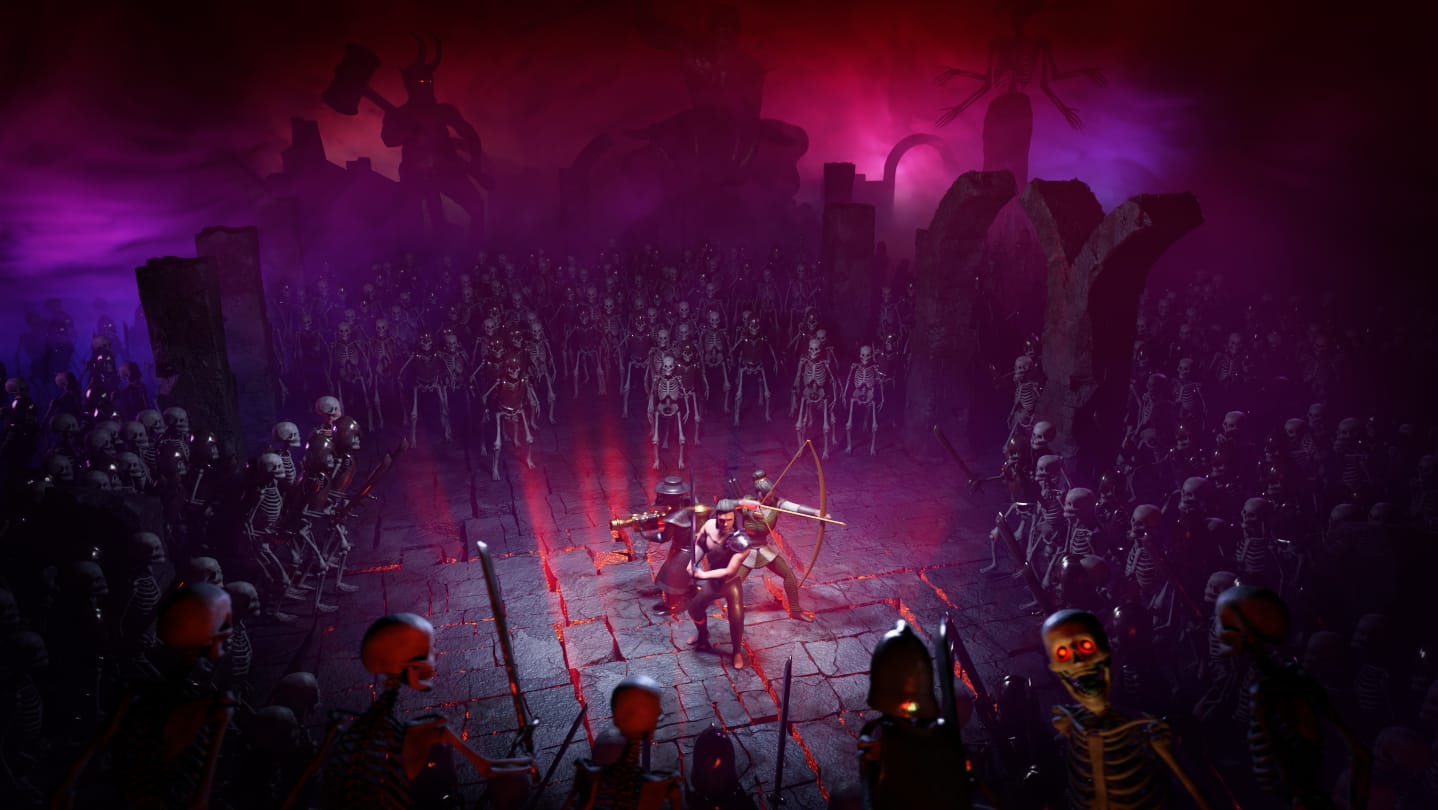
The core of Halls of Torment is the 30-minute countdown. It’s a familiar timer, but here it carries a weight that feels more oppressive than its contemporaries. Where other survivor games lean into flashy, neon-soaked chaos, Halls of Torment opts for a slow-burn escalation of dread. You start as a fragile survivor in a murky dungeon, and by the 25-minute mark, the screen is a shifting mass of skeletons, demons, and eldritch horrors. The transition from survival to dominance is earned through a series of micro-decisions that feel weightier because the stakes are higher. One wrong move doesn't just end a run; it costs you the gear you were hoping to send back to the surface. This creates a tension that is often missing from the genre’s more arcade-leaning entries.
The Gear and The Well
The "Well" mechanic is the smartest innovation in the game. In most survivor-likes, the items you find are transient—gone the moment you die or win. Halls of Torment introduces a sense of permanence that mirrors the loot-chase of a classic ARPG. When you find a rare set of boots or a powerful ring, you have to make a choice: do you keep it for the current run’s power boost, or do you fight your way to the Well to secure it for your permanent stash? This creates a secondary objective within the primary survival loop. You aren't just dodging projectiles; you are a courier in a hostile land. Once items are secured, you can equip them at the start of future runs, allowing for "build-around" strategies that are far more reliable than the luck of the draw. This system adds a layer of strategic depth that rewards long-term planning over short-term survival.
Class Identity and Synergy
Class diversity is another pillar of the experience. The Exterminator, for instance, uses a flamethrower that requires constant pivoting to keep the horde at bay, while the Shield Maiden encourages a more aggressive, "push-into-the-pack" style of play. As you level up during a run, you choose between traits that modify your attacks—increasing range, speed, or applying status effects like burn or frost. The synergy between these traits and your equipped gear is where the high-level play resides. It’s not just about picking the highest percentage boost; it’s about understanding the "damage buckets" and how to optimize your specific character’s strengths. You might find a ring that boosts fire damage, which suddenly makes a fire-based trait build significantly more viable. This interplay between meta-progression (gear) and in-run RNG (traits) is handled with a level of polish that few other games in the genre can match.
The Boss Encounters and Stage Design
Halls of Torment doesn't just throw enemies at you; it throws challenges. Each stage has its own personality, from the claustrophobic halls of the Haunted Caverns to the open, desolate wastes of the Ember Grounds. The "Tormented Lords" that appear at the end of each run are genuine tests of skill. These bosses utilize complex attack patterns—area-of-effect slams, summoning circles, and projectile waves—that require the player to have mastered their character’s movement. Defeating a Lord isn't just about having high enough stats; it's about execution. The feeling of finally taking down a boss that has ended your previous three runs is immensely satisfying and provides a clear climax to the 30-minute struggle.
The Quest for Content
With over 500 quests, the game solves the genre's biggest problem: the lack of a clear "why" after the first few wins. These quests range from simple kill counts to complex multi-run achievements. They serve as the primary unlock mechanism, gating new items and classes behind specific feats of skill. This turns every run into a checklist of potential accomplishments. Even if you fail to defeat the Tormented Lord at the end of the timer, you likely checked off three or four quests that provided a small boost to your future power. This feedback loop is incredibly tight and avoids the feeling of wasted time. It keeps you coming back for "one more run" because you know that even a failure is a step toward a greater success.