
Bottom Line: ISLANDERS presents a compelling, distilled vision of city-building, sacrificing macro-management for intimate, strategic puzzles that reward thoughtful engagement over relentless expansion. Its minimalist design is both its greatest strength and its subtle limitation.
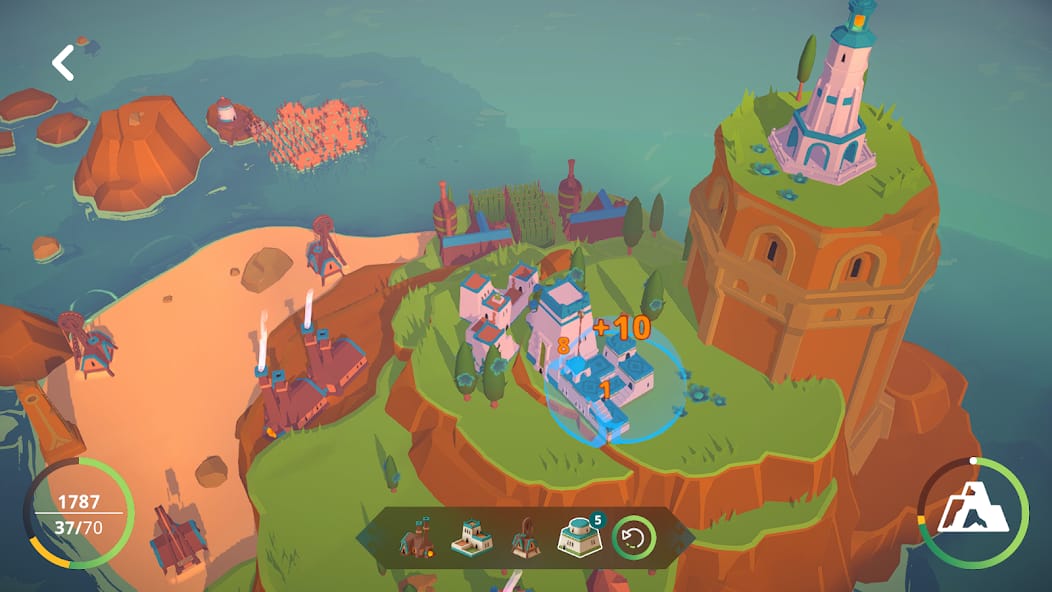
ISLANDERS operates on a beautifully executed premise: what if city-building was less about macroeconomic simulation and more about an intricate game of geometric optimization? The answer, as it turns out, is a surprisingly addictive gameplay loop that is effortless to grasp yet difficult to master. Each structure, from a humble house to a towering palace, possesses an invisible radius of influence. Placing a lumberjack's hut near trees, or a shaman's hut adjacent to a collection of other diverse buildings, triggers point bonuses. The true genius lies in the interdependencies and multiplicative effects. A single, well-placed lumber mill might boost the value of nearby houses, which in turn might make an area more attractive for future placements, creating a cascade of strategic decisions.
The game's initial onboarding friction is virtually nonexistent. Players are introduced to a handful of basic structures and the fundamental scoring mechanics almost immediately. This allows for rapid experimentation and understanding of the core rules. However, the true depth reveals itself as new building sets are unlocked by achieving specific point thresholds. This layered progression ensures that just as one island's potential feels exhausted, a fresh set of challenges and tools arrives, compelling the player to initiate a new settlement with newfound knowledge and strategic insight. This constant reset prevents stagnation and encourages a dynamic approach to island development.
Where ISLANDERS occasionally falters is in its commitment to its own minimalism. The lack of an undo feature is a glaring omission in a game so predicated on precise placement. A single misclick can derail a meticulously planned high-score attempt, forcing a restart that feels punitive rather than challenging. While one could argue this adds to the strategic weight of each decision, it occasionally tips into frustration, particularly on more complex late-game islands where optimization margins are razor-thin. Furthermore, despite the procedural generation, a degree of repetition can set in for players who dedicate dozens of hours. The fundamental scoring mechanics remain consistent, and while island layouts vary, the optimal strategies for maximizing points with each building type tend to solidify. The absence of diverse game modes or truly novel mechanics beyond new building types means that while the core loop is exceptional, its long-term evolution is limited. This is not a grand narrative experience; it is a finely tuned puzzle box, and like any puzzle, once its fundamental rules are mastered, the initial allure of discovery can wane, giving way to the satisfaction of pure optimization.
Strategic Depth vs. Zen Aesthetics
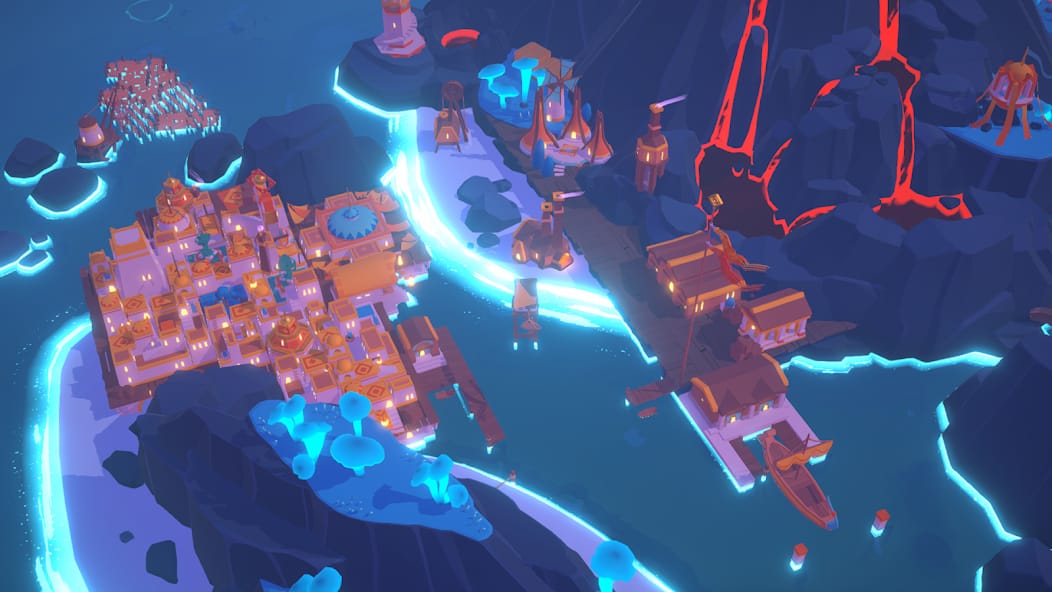
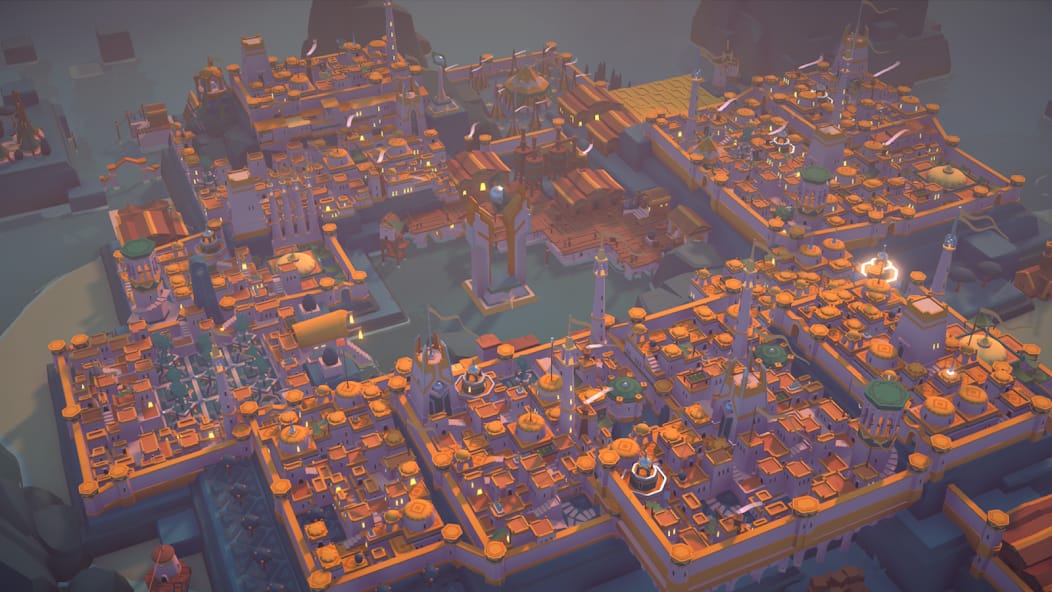
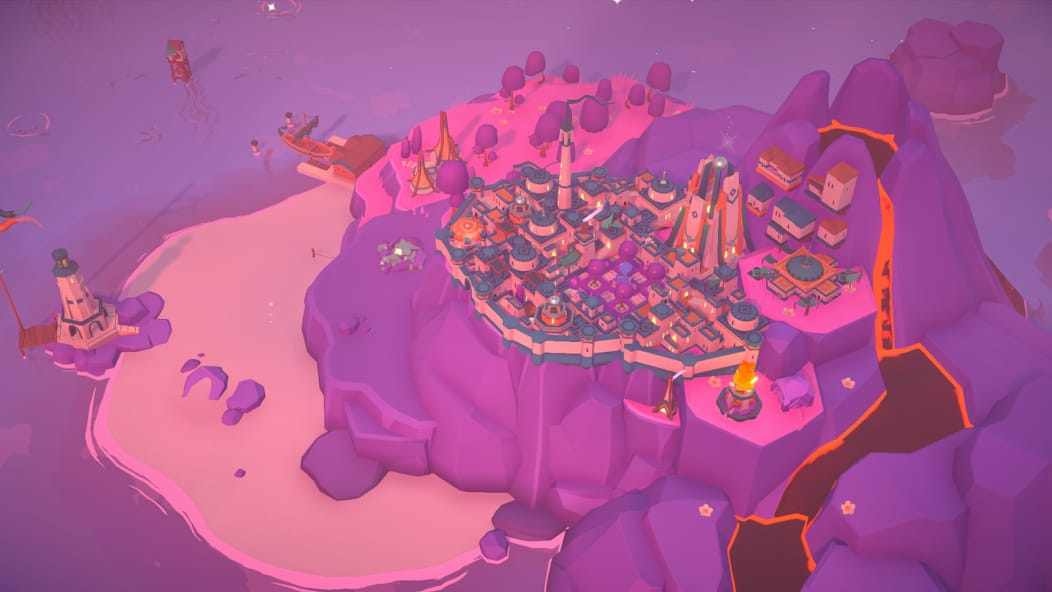
The interplay between the game’s serene visuals and its underlying strategic demands is a delicate balance. The user experience flow is primarily driven by the visual feedback of point indicators and the tactile satisfaction of watching a barren island transform into a bustling mini-city. The interface itself is clean, almost spartan, reinforcing the minimalist ethos. Building menus are contextual, appearing only when needed, minimizing screen clutter. This contributes significantly to the game's lauded relaxing experience, yet never undermines the intellectual engagement required to excel. The challenge isn't in fighting the UI; it's in mastering the spatial puzzle presented by the topography and building synergy.