
Overview
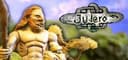
Judero is a pronounced artistic declaration amid a crowded field of action-adventure titles. Talha and Jack Co, the minds behind this audacious project, have built a game that defiantly pivots away from hyper-realistic graphics, opting instead for an artisanal, hand-built charm. That choice commands immediate and sustained attention. Set against the rugged, myth-laden canvas of the Scottish Borders, Judero plays as a digital elegy to a rich cultural heritage. From its foundational principles, the game broadcasts its intent to differentiate, employing a painstaking stop-motion animation technique realized through handcrafted objects and bespoke figurines. This isn’t a superficial stylistic flourish; it’s a deep-seated commitment to an aesthetic that transmutes the commonplace into something genuinely distinctive. Players step into the narrative as Judero, a Celtic warrior whose symbiotic relationship with nature transcends mere reverence—it grants him the ability to cultivate rapport with the wild and, remarkably, to temporarily possess his enemies. This central mechanic introduces a strategic dimension often conspicuously absent in the more frantic echelons of the action genre. Released on Steam on September 16, 2024, for both Windows and macOS, Judero enters the digital arena with a singular visual and thematic identity, challenging prevailing industry conventions. It extends an overt invitation to players grown weary of algorithmic generation and recycled assets, appealing directly to those who hunger for genuine craft and narrative depth. It’s a calculated, bold gambit in an industry frequently propelled by efficiency over artistry, and one that, on its design merits, largely justifies its ambitious premise.
Key features
- Handcrafted Stop-Motion Art Style: Uses carefully crafted objects and bespoke figurines animated frame-by-frame, creating a visual identity rarely seen in modern gaming. Each movement and environmental detail reflects a commitment to physical artistry over digital simulation.
- Nature Rapport & Enemy Possession: Players can forge a connection with the natural environment and temporarily control foes, offering distinctive tactical combat and puzzle-solving opportunities that evolve beyond brute force.
- Dynamic Combat & Rich Exploration: Features brisk, fluid combat encounters interwoven with mini-games and an exploration system offering branching dialogues that draw players into the lore of the Scottish Borders.
Analysis
Judero’s most audacious gambit—and its crowning achievement—lies in its unwavering commitment to the stop-motion aesthetic. While every major studio chases photorealism and asset libraries often dictate artistic direction, the manual artistry evident in every frame of Judero offers a compelling counter-narrative. This isn’t mere stylistic indulgence; it is the game’s foundational essence, infusing every character model and environmental tableau with a tangible, almost archaic tactility. The deliberate cadence of stop-motion animation, while distinct from the fluidity of modern motion capture, possesses a weighty charm. That deliberate pace underscores the game’s folkloric roots, transforming what might otherwise be sterile combat encounters into a more considered, rhythmic dance where each successful strike feels impactful, earned. The game’s distinctive charm has clearly resonated with its audience on Steam, and that reception offers persuasive validation of this artistic integrity.
The core gameplay loop is ingeniously constructed around Judero’s dual, nature-bound capabilities: an innate rapport with the wilderness and the formidable, almost subversive power to possess enemies. This is far more than narrative window dressing; it forms the strategic bedrock for both combat and exploration. Combat, which the developers characterize as “fast and fluid,” acquires a significant layer of strategic depth once the implications of temporarily subjugating an adversary become clear. Picture commanding a hulking brute to pivot against its former allies, or using a nimble scout to circumvent otherwise impenetrable environmental barriers. This mechanic transcends the conventional damage-per-second paradigm, demanding tactical foresight and inventive application of Judero’s supernatural gifts. Critically, the mini-games—often a contentious point for discerning critics—appear to be woven into the narrative fabric, serving as organic interludes that deepen engagement rather than feeling like perfunctory, tacked-on diversions.
Exploration and Narrative Architecture
Exploration, a cornerstone of any worthwhile action-adventure, demonstrably benefits from this thoughtful design philosophy. The branching dialogues suggest a narrative journey that actively rewards curiosity and attentiveness. They invite players to peel back the rich, layered narrative of Scottish folklore, transcending passive observation to become an active participant in the unfolding saga. This narrative depth, inextricably linked with the game’s singular visual language, coalesces into a remarkably cohesive whole. Players become architects of their own understanding within this painstakingly constructed world, making choices that shape their perception of and interaction with it. The synergy between fluid action, meaningful narrative choice, and a distinctive visual identity suggests a team with a profound understanding of its own vision—and the conviction to execute it.
Visuals & performance
Judero’s visual design is its signature. The handcrafted objects and stop-motion animation evoke a sense of authenticity and a deliberate, almost nostalgic nod to a bygone era of cinematic artistry. This tactile aesthetic distinguishes it, imbuing the game with a soul that many hyper-polished, yet ultimately sterile, AAA titles conspicuously lack. The UI design, by necessity, must align with this handcrafted sensibility, navigating the challenge of presenting crucial information with clarity without fracturing the spell of immersion. Stop-motion can present as visually discontinuous if not masterfully handled, but the design here is confident enough that the idiosyncratic style becomes an asset rather than a liability. A 2D game of this scope is also light on hardware, so the aesthetic should sit comfortably on typical Windows and macOS machines. This visual language dictates the entire perceptual interaction, cultivating a distinct mode of engagement that rewards patience and an appreciation for careful, frame-by-frame detail.
Platform nuances
Launching exclusively on Steam for both Windows and macOS, Judero’s platform strategy is commendably focused. For an action-adventure title featuring “fast and fluid combat,” the established mouse and keyboard input modalities on both PC and Mac provide a reliable, precise interface. The game’s distinctive stop-motion animation, while demanding a particular aesthetic predisposition, is unlikely to introduce significant platform-specific hurdles beyond what is typical for a modestly scoped indie title. Players across both operating systems can reasonably anticipate a consistent visual and gameplay experience, a critical factor for a game where the art style is so fundamental to its allure. The absence of explicit controller support is a noticeable omission in a genre that often thrives with gamepad fluidity, though it’s not an insurmountable barrier given the traditional preferences of desktop gamers. This concentrated approach, limiting the scope to desktop environments, likely enabled Talha and Jack Co to refine the core experience without the compromises associated with console or mobile optimization.
Final verdict
Judero makes a strong argument for artistic conviction over conventional commercial wisdom. Its painstaking stop-motion animation, deeply embedded Scottish folklore, and inventive mechanics coalesce into an experience that is at once alien and intimately familiar. While its distinct aesthetic might not appeal to every palate, for those willing to embrace its unique rhythm, Judero offers a journey of genuine discovery and strategic engagement that few titles can match. It is a welcome reminder that true innovation in gaming often stems not from technological arms races, but from a steadfast commitment to artistic vision. We recommend it wholeheartedly to anyone craving something new and courageously original.
Reviewed by the Rankeno Action Desk. Scores are out of 10; the overall score is the desk’s editorial judgement, informed by the four sub-scores above. How we review