

Bottom Line: "Littlewood" masterfully reimagines the post-heroic narrative, delivering a profoundly calming and endlessly engaging loop of town-building and social simulation that elevates the cozy genre beyond mere distraction.
"Littlewood" isn't merely a game; it's a digital meditation on consequence and community. Its core loop, a seemingly simple cycle of resource gathering, building, and relationship management, unfolds with an almost hypnotic pull. The ingenious premise of having already saved the world is not a gimmick but the very bedrock of its design philosophy. Instead of the pressure of looming threats, players contend with the far more relatable and enduring satisfaction of bringing a dilapidated village back to life. The amnesia serves as a clever narrative device, allowing the player character—and by extension, the player—to rediscover the world through fresh eyes, forging new bonds and rebuilding a life without the burden of past glories. This approach eliminates the typical grind associated with power-fantasy RPGs, replacing it with a gentle, self-directed exploration of daily tasks.
Resource acquisition, often a tedious chore in other titles, feels organic and purposeful here. Chopping wood or mining ore isn't just about accumulating materials; it's about contributing directly to the growth of Littlewood. Every tree felled or rock excavated has an immediate, visible impact on town expansion or the crafting of a new amenity. The town-building mechanics are surprisingly robust, granting players the freedom to terraform, place buildings, and decorate with an impressive degree of creative control. This tangible progression feeds into a virtuous cycle: improved town infrastructure attracts new residents, who in turn offer new quests, skills, and social opportunities, deepening the player’s investment.
The social simulation aspects are equally compelling. Townsfolk are not merely static quest-givers; they are characters with distinct personalities, preferences, and backstories that gradually unfurl through daily interactions. Persuading new residents to move in, then nurturing those relationships, adds a vital layer of emotional investment. These interactions often lead to unique rewards or unlock new gameplay elements, seamlessly integrating the social fabric into the game's broader progression. While the daily routines might appear repetitive on paper, the constant stream of minor goals, coupled with the freedom to pursue any activity at one's own pace, prevents monotony. "Littlewood" understands that true engagement often lies not in complex mechanics, but in the subtle nuances of player agency and consistent, incremental rewards. Even the card battling mini-game, a seemingly incongruous addition, provides a pleasant, low-stakes diversion, offering a strategic challenge without disrupting the game's overarching serene cadence. It functions as a palate cleanser, a small burst of competitive energy before returning to the calm rhythms of town life.
User Experience Flow
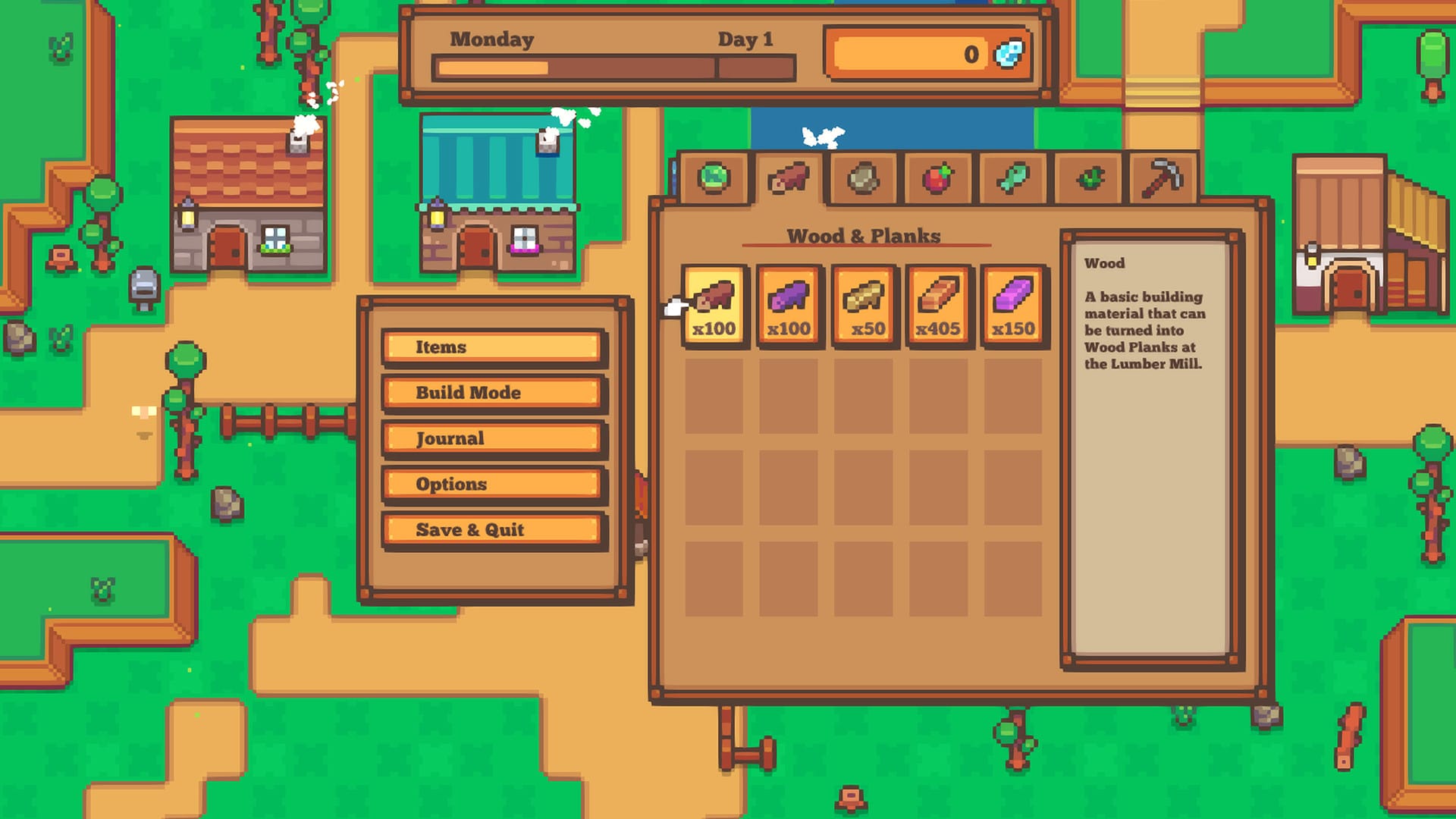
The onboarding experience is exemplary, gently introducing core mechanics without overwhelming the player. The interface prioritizes clarity and ease of use, with essential information readily accessible. Movement and interaction are intuitive, whether navigating through the town or managing inventory. The absence of a strict time limit per day, a common constraint in similar games, is a design choice that profoundly impacts the player experience, eradicating any sense of pressure. This liberates players to indulge in activities they genuinely enjoy, fostering a sense of flow rather than obligation.