
Bottom Line: A surveillance procedural that swaps gritty cityscapes for a psychedelic forest, proving that watching squirrels is far more unsettling—and rewarding—than it has any right to be.
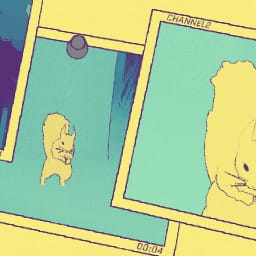
The core of NUTS isn't the squirrels; it's the feedback loop of failure and adjustment. Every morning, you set out from your caravan with three cameras. You place them based on a tip or a previous night's observation. You go back, you sleep, and you watch the tapes. Most of the time, you see nothing. Or you see the tail of a squirrel disappearing behind a tree. This is where the game shines. It forces you to think like a tracker. Was the camera too low? Should I have placed the microphone by that fallen log instead?
The Mechanics of Voyeurism
The gameplay is a masterclass in spatial puzzling. You are essentially trying to map a 3D path through a 2D screen. When you finally catch that pivotal frame—a squirrel entering a hidden hollow or interacting with an anomalous object—the rush is genuine. It’s a "Eureka" moment that isn't handed to you by an in-game hint system; it’s earned through iterative experimentation. The interface is intentionally clunky in a way that feels authentic to the period. Printing out a still frame to fax to your boss feels meaningful because it requires physical steps. There is no "instant upload" here.
Narrative Tension and Isolation
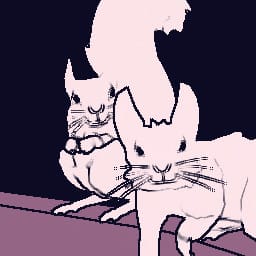
As you progress, the tone shifts. The phone calls from your supervisor, Nina, begin to feel less like academic guidance and more like a lifeline in an increasingly hostile environment. The forest, though vibrantly colored, feels liminal and lonely. The game masterfully uses its sound design to enhance this. The crunch of footsteps on dry leaves and the distant, distorted chatter of squirrels create an atmosphere of "passive paranoia." You begin to wonder if you are the only one doing the watching.
The narrative concludes with a sharpness that has divided some players, but from a critical perspective, the abruptness serves the theme. It’s a story about observation without intervention, and the ending reflects the frustration of being a witness to a machine that is already in motion. However, the "walking simulator" elements do occasionally grate. The movement speed is deliberate, and while this adds to the realism of trekking through a forest, the lack of a robust fast-travel or a more efficient way to reposition gear means that a simple mistake in camera placement can result in five minutes of repetitive backtracking. It’s a friction point that feels less like a design choice and more like a pacing hurdle.
Interface as Character
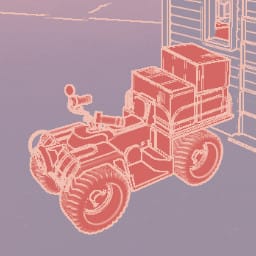
Your caravan functions as a character in its own right. It is a hub of cluttered functionality. Every monitor, cable, and post-it note contributes to the sense of being a lone researcher on the edge of something massive. The way the game handles its "onboarding" is remarkably smooth; it teaches you to use the equipment through direct tasks rather than tutorials, respecting the player's intelligence from the first frame.