
Bottom Line: "Recettear" masterfully blends the cutthroat world of item shop management with the perilous depths of dungeon crawling, forging a uniquely compelling economic simulator that remains profoundly engaging over a decade after its Western debut.
Recettear's core brilliance lies in its synergistic gameplay loop, a masterstroke that few titles manage to execute with such precision. The game doesn't merely present two disparate halves—shopkeeping and adventuring—it fuses them into a single, cohesive economic engine. Every swing of a hero’s sword in a monster-infested dungeon directly translates into potential profit back at the counter. This isn't just about raw loot; it’s about market intelligence. Discovering a new monster drops a rare material dictates future pricing strategies. Overpaying for a common potion at the market affects your margins, pushing you to refine your haggling tactics.
The shop management component is far more sophisticated than its charming aesthetic suggests. Players aren't just clicking buttons; they're engaging in a nuanced dance of psychological warfare with their clientele. Each customer type has predictable, yet exploitable, purchasing habits. Some are cheapskates, others extravagant, some loyal, others fickle. Learning these archetypes and adjusting prices, or engaging in a tense haggling mini-game, becomes a skill in itself. Success isn't merely about marking up items; it's about understanding the value proposition for each individual buyer. Pricing too low leaves money on the table, pricing too high sends customers packing. This constant feedback loop, where sales volume and profit margins directly impact your ability to pay off Tear’s weekly demands, injects genuine tension into what might otherwise be a mundane task. The market fluctuates, customer preferences shift, and managing your limited inventory space forces difficult choices about what to stock and what to offload. This cycle of acquisition, valuation, and sales breeds an almost obsessive drive for optimization, compelling players to constantly refine their entrepreneurial instincts.
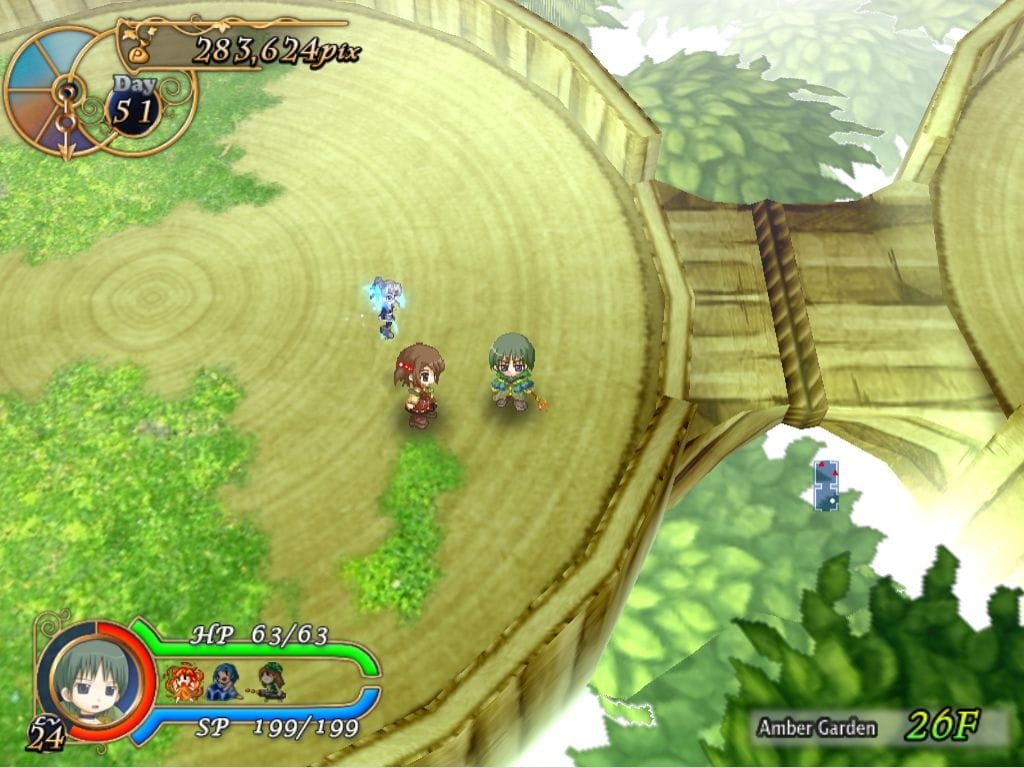
Conversely, the dungeon crawling aspect, while often described as simpler, is far from irrelevant. It serves as the vital supply chain for Recette's enterprise. Hiring adventurers, each with distinct combat styles and abilities, adds a layer of tactical depth. The choice of adventurer for a given dungeon isn't arbitrary; it's a strategic decision influenced by their efficacy against specific enemy types and, crucially, their daily rental fee. Time management becomes critical: do you risk one more floor for potentially richer loot, or retreat to sell your current haul before the market cools or debt payments loom? The combat itself, a straightforward top-down action RPG affair, serves its purpose admirably—providing just enough challenge and engagement to make the acquisition of goods feel earned, without overshadowing the economic heart of the game. It’s a purposeful simplification, designed to facilitate the flow of goods rather than to stand as a complex RPG in its own right. The true genius is how these two distinct genres constantly reinforce each other, creating a sense of purpose and progression that is deeply satisfying. The anxiety of impending debt payments drives the player to seek better loot, and better loot empowers the player to overcome more formidable dungeon challenges. This profound synergy defines Recettear's enduring appeal, transcending mere novelty to establish a truly innovative gameplay model. The progression isn't linear but cyclical, constantly encouraging optimization and adaptation, forcing players to think both like a seasoned merchant and a resourceful explorer.