
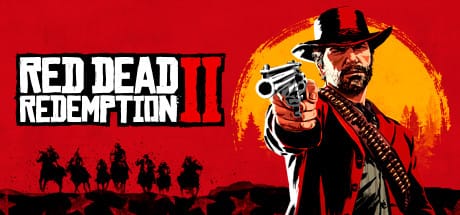


Bottom Line: Rockstar Games' Red Dead Redemption 2 isn't merely a video game; it's a meticulously constructed digital diorama of a dying era, offering a narrative depth and environmental fidelity that few titles dare to attempt, let alone achieve with such profound success.
Rockstar’s fundamental design philosophy in Red Dead Redemption 2 is one of uncompromising simulation, a stance that both elevates and occasionally challenges the player experience. The core narrative is a slow-burn epic, intentionally paced to reflect the arduous nature of frontier life and the gravity of Arthur Morgan's journey. Critics who label it "slow" often miss the point: this is not a game designed for instant gratification. Instead, it meticulously builds emotional weight and character arcs over dozens of hours, allowing the player to truly inhabit Arthur's deteriorating world. Every robbery gone awry, every desperate flight, and every quiet moment around the campfire contributes to a tapestry of decline, making the narrative conclusion resonate with a rare kind of tragic power.
The world simulation is where Red Dead Redemption 2 truly distinguishes itself. This isn't merely a backdrop; it's a character in its own right. Arthur's physical appearance—his hair and beard growing in real-time—is a minor detail that speaks volumes about the commitment to realism. More significantly, clothing choices impact stamina in varying weather, while horses are not interchangeable vehicles but living entities with distinct personalities requiring care and bonding. This extensive array of dynamic details makes the world feel incredibly reactive and alive. A chance encounter with a stranger, a sudden ambush, or the pursuit of a rare animal can derail an objective, leading to organic storytelling moments far more compelling than any scripted sequence. The game’s ecological systems are complex; hunting is not just a minigame but a vital part of survival and economy, each animal reacting realistically to its environment and the player’s presence. This granular attention to detail, while occasionally leading to deliberate animations that some might perceive as "clunky controls" – such as the time it takes to loot a corpse or prepare food – ultimately serves to ground the player firmly within its brutal, beautiful reality. These deliberate pacing mechanisms prevent the world from feeling like a mere sandbox and instead foster a connection with Arthur and his surroundings.
Player agency is subtly woven into the fabric of the experience, primarily through the Honor system. While not a stark binary, Arthur's choices—whether to help a stranger, rob a stagecoach, or simply greet passersby—gradually shape his reputation. This isn't just a cosmetic overlay; it influences the prices in shops, the availability of certain quests, and crucially, how NPCs react to him. A low honor Arthur might be met with hostility, while a high honor Arthur could find unexpected allies. This system intelligently reinforces the narrative's themes of morality and redemption, making the player a genuine participant in Arthur's internal struggle. The camp system, serving as the gang's mobile home, provides a central hub for resource management, crafting, and interaction. Contributing to the camp's supplies and engaging with gang members enriches the narrative, fostering a tangible sense of communal living and shared struggle. Combat, while rooted in the familiar third-person shooter mechanics Rockstar perfected, finds its unique rhythm with the Dead Eye targeting system. This ability to slow time and mark targets adds a strategic layer to what could otherwise be rote shootouts, allowing for both visceral action and tactical precision. The online component, Red Dead Online, attempts to extend this richness into a persistent multiplayer environment, though it has often struggled to replicate the single-player's narrative depth and focused progression, feeling more like a traditional open-world MMO at times.