Bottom Line: Tabletop Simulator is less a game and more a physics-driven infrastructure for human interaction, offering infinite possibilities hampered only by a steep learning curve and a stubborn UI.
The Rulebook in Your Head
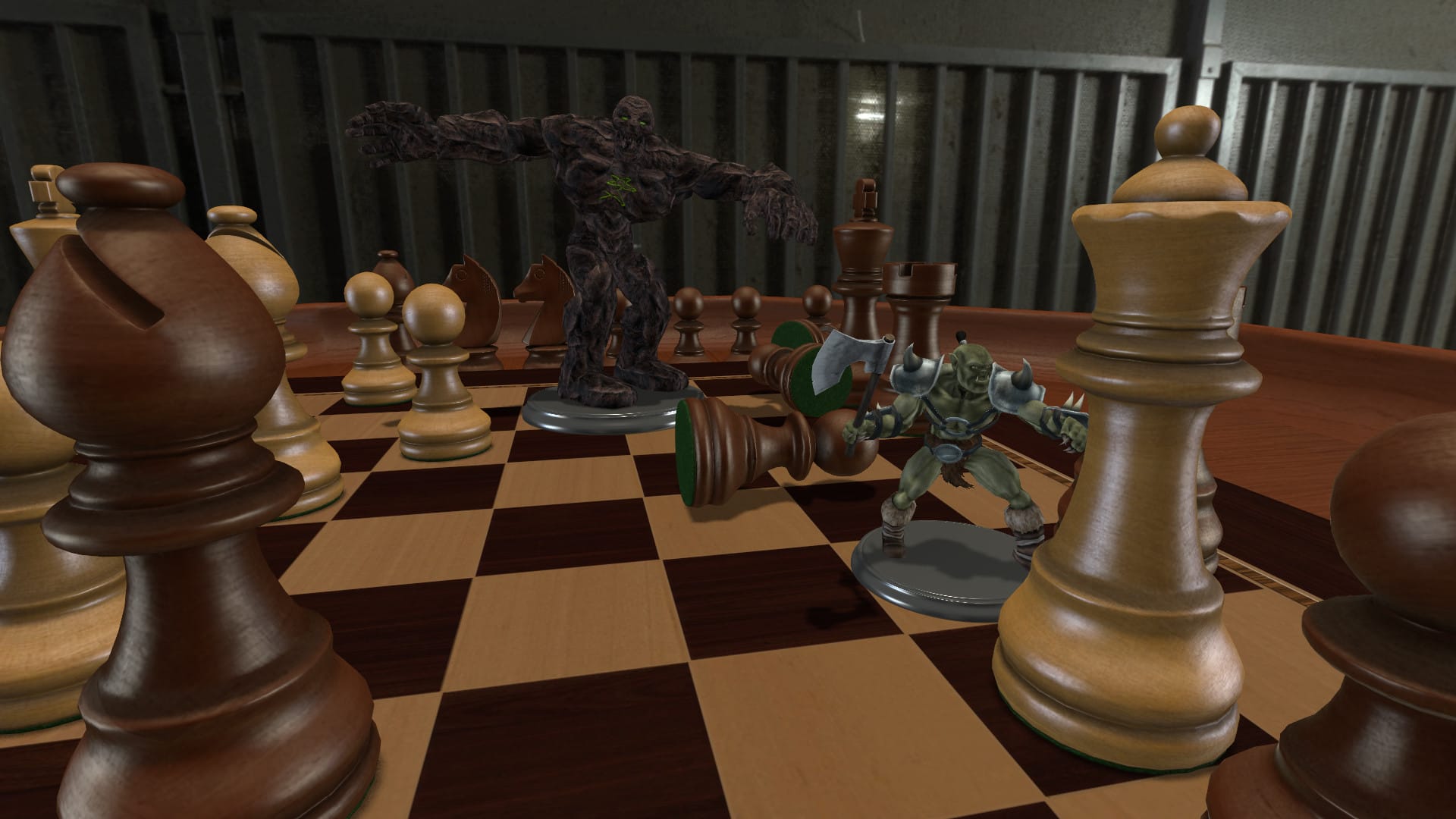
The most striking aspect of Tabletop Simulator is its lack of internal logic. In a standard digital board game, the software prevents you from making an illegal move. In TTS, the software doesn't care. If you want to throw a deck of cards at your opponent's face or flip the table in a fit of manufactured rage, the engine facilitates it. This is a radical design choice that shifts the burden of rule enforcement back to the players.
This creates a "manual" experience that feels authentic. You have to physically move your pawn, manually flip your cards, and keep track of your own score. While this sounds like a regression, it actually preserves the social contract of tabletop gaming. You aren't playing against an algorithm; you are playing with people. The physics engine, while occasionally prone to "jitter" where a poorly placed piece might explode into the stratosphere, adds a layer of tension that purely digital interfaces lack.
The Workshop Economy
Without the Steam Workshop, TTS would be a tech demo. With it, it is a library of Alexandria for gamers. The sheer volume of community-contributed content is staggering. You can find meticulously scripted versions of complex wargames that automate the tedious setup, alongside raw scans of out-of-print classics. This creates a moral and legal grey area regarding copyright, but for the end-user, it represents infinite value.
The "scripting" capabilities—using Lua—have allowed the community to fix many of the engine's inherent clunkiness. Talented modders have built interfaces within the game to handle everything from character sheets in RPGs to complex deck-shuffling logic. In many ways, the community has outpaced the developers in defining what the user experience should look like.
The Friction of Freedom
The cost of this flexibility is a notoriously high learning curve. The interface is a relic of a different era of software design—a cluttered collection of sidebars and context menus that feel bolted on rather than designed. Simple actions, like searching a deck or rotating an object to a specific angle, require a combination of hotkeys and mouse gestures that are never quite intuitive.
For a new player, the first two hours are spent fighting the camera and accidentally knocking over their coffee. This input latency between intent and action is the game's greatest weakness. While veterans develop the muscle memory to navigate the menus at high speed, the "onboarding friction" is high enough to turn off casual players who just want a quick game of Uno.