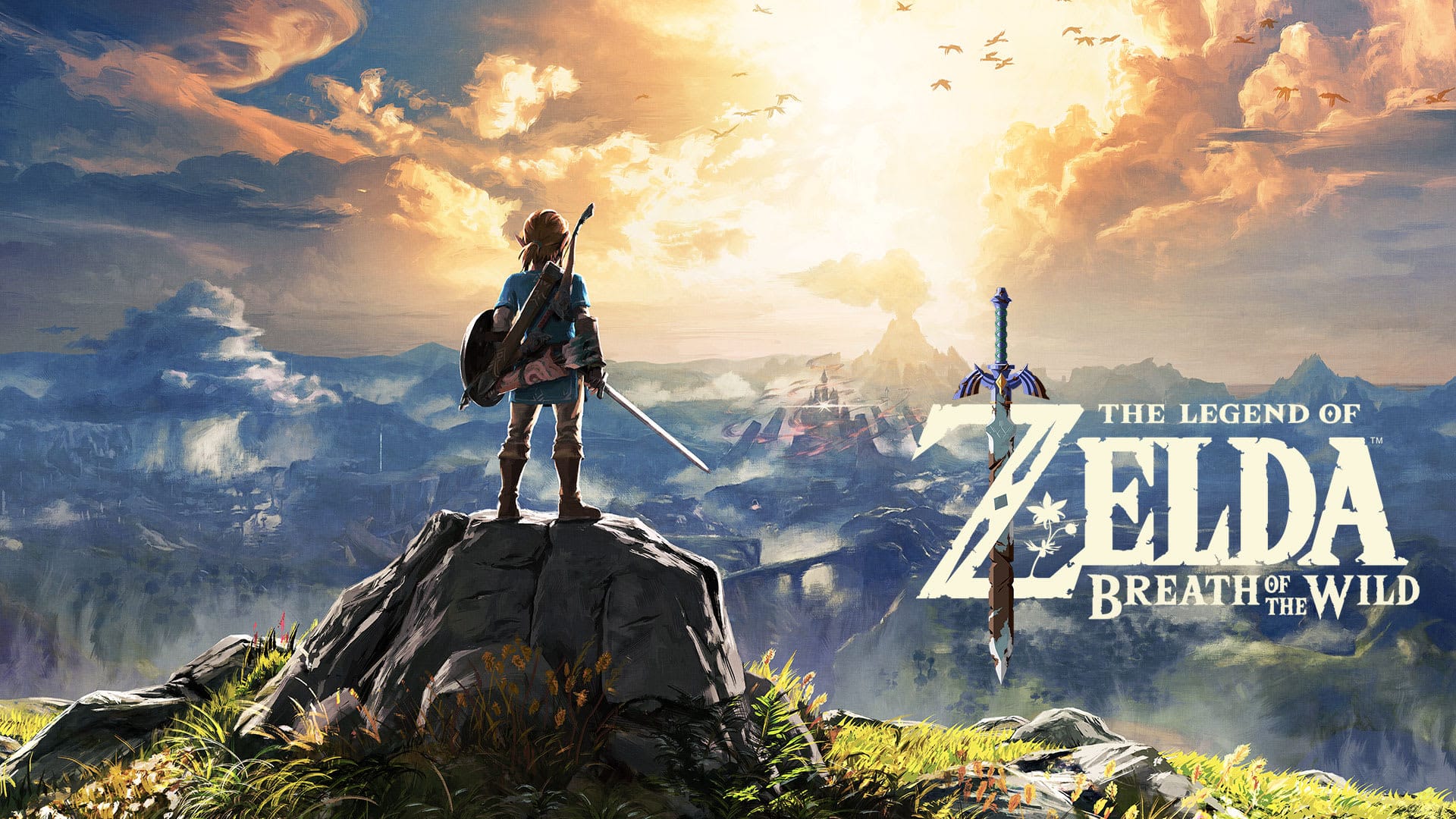


Bottom Line: Nintendo's Breath of the Wild didn't just redefine Zelda; it irrevocably altered the blueprint for open-world gaming, delivering an unparalleled sense of discovery despite minor technical concessions.
Breath of the Wild is a masterclass in systemic design, where individual mechanics converge to create emergent, often unpredictable, gameplay. The core loop eschews the dungeon-item-dungeon linearity that defined previous Zelda titles, opting instead for a vast, hostile, yet inviting wilderness. This paradigm shift was initially jarring for some veterans, but it quickly revealed its genius. The absence of an omnipresent quest marker, the deliberate scarcity of explicit directions, and the sheer verticality of the world force players to observe, hypothesize, and experiment. This is not merely an open-world; it is a meticulously crafted systemic world.
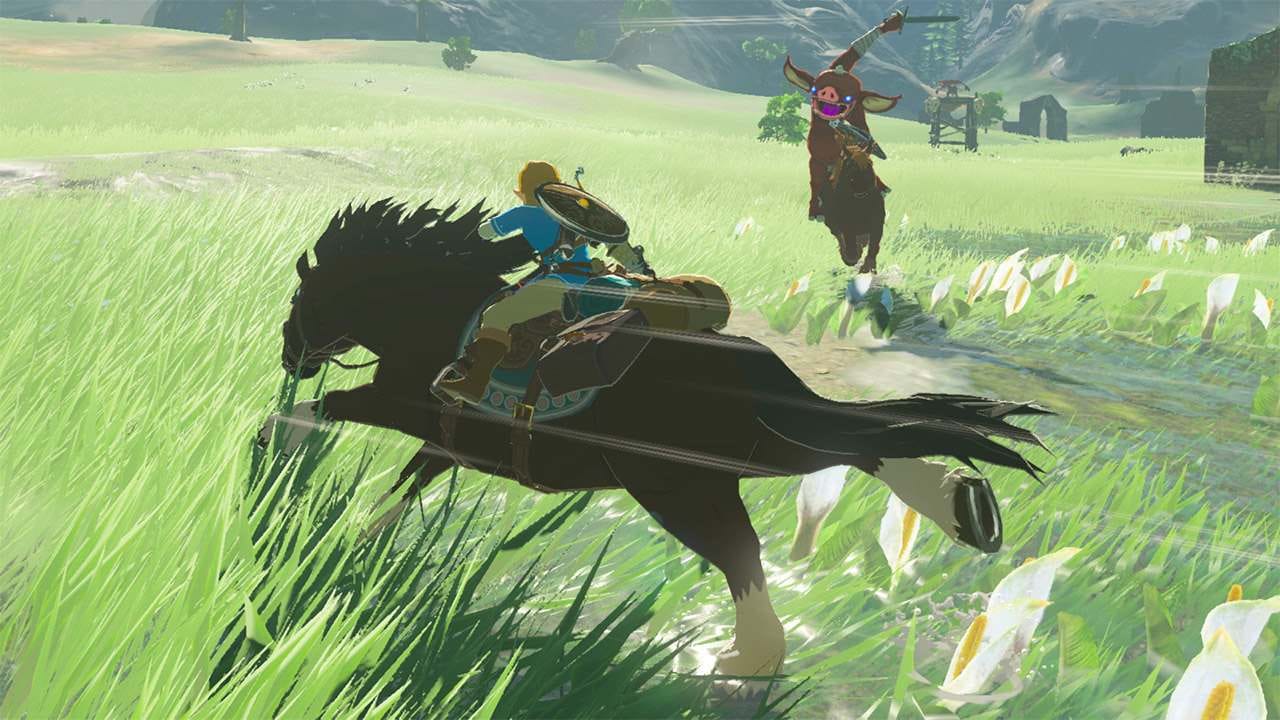
Consider the gameplay loop: Link spawns, often with minimal gear, and immediately faces a choice—which direction to go? The game doesn't dictate. That distant tower? Climb it. That shimmering light? Investigate it. Every interaction, from chopping down trees for wood to cooking ingredients for a meal, feeds into a broader sense of self-sufficiency. The constant threat of weapon degradation, initially a point of contention, becomes a brilliant design choice. It compels players to constantly seek out new armaments, forcing engagement with enemy encampments and diverse environments, preventing the comfort of a single, overpowered weapon. This scarcity breeds tactical flexibility; players are encouraged to improvise, using the environment, elemental effects, and the Sheikah Slate's runes in tandem. Want to clear a Bokoblin camp without direct combat? Stasis a large rock uphill and send it careening into their midst. Or perhaps use Magnesis to drop a metal box on their heads during a thunderstorm. This is where the game truly sings—in the player's capacity for ingenuity.
The interface design is minimalist yet highly functional. The Sheikah Slate acts as the primary navigational tool, integrating map, inventory, and rune abilities without ever feeling cumbersome. The lack of an intrusive HUD during exploration further enhances immersion, pushing players to rely on visual cues and environmental context. Inventory management, while frequent due to weapon durability, is streamlined, allowing for quick swaps and efficient cooking.
However, the pursuit of this radical freedom does come with trade-offs. The Divine Beasts, while mechanically distinct, often lack the thematic and intricate multi-room design of traditional Zelda dungeons. Their puzzle-box nature, revolving around manipulating the beast itself, is innovative but can occasionally feel repetitive across multiple encounters. Furthermore, the narrative, while poignant and well-acted in its memory fragments, takes a backseat to exploration, which might disappoint those seeking a more conventionally robust story progression. Yet, these are minor quibbles in a game so fundamentally ambitious. The physics engine, which underpins almost every interaction, from rolling boulders to igniting grass, elevates mundane actions into strategic possibilities. It's not just a game about combat; it's a game about understanding and manipulating a complex, living ecosystem.