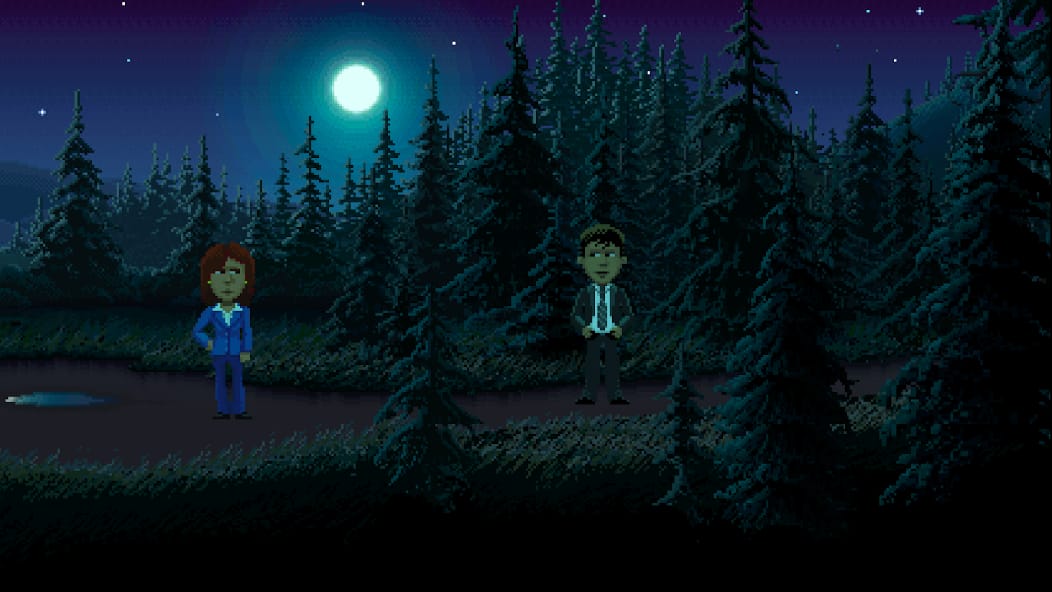
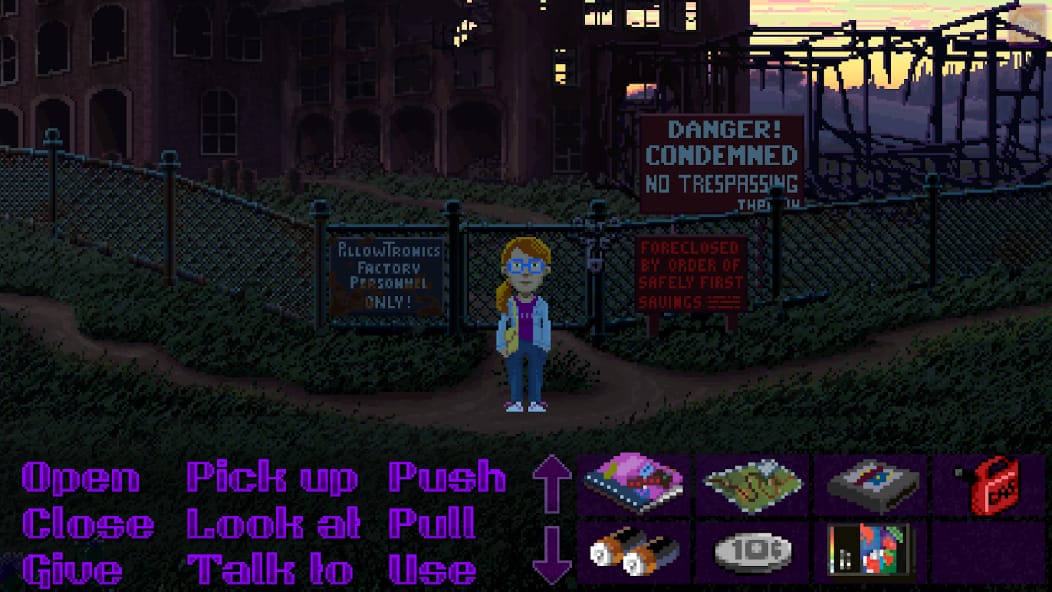
Bottom Line: Ron Gilbert and Gary Winnick built a time machine, and it works. Thimbleweed Park is the sharpest, best-produced classic point-and-click adventure in decades — provided you can forgive an ending that swallows its own tail.
The Gameplay Loop
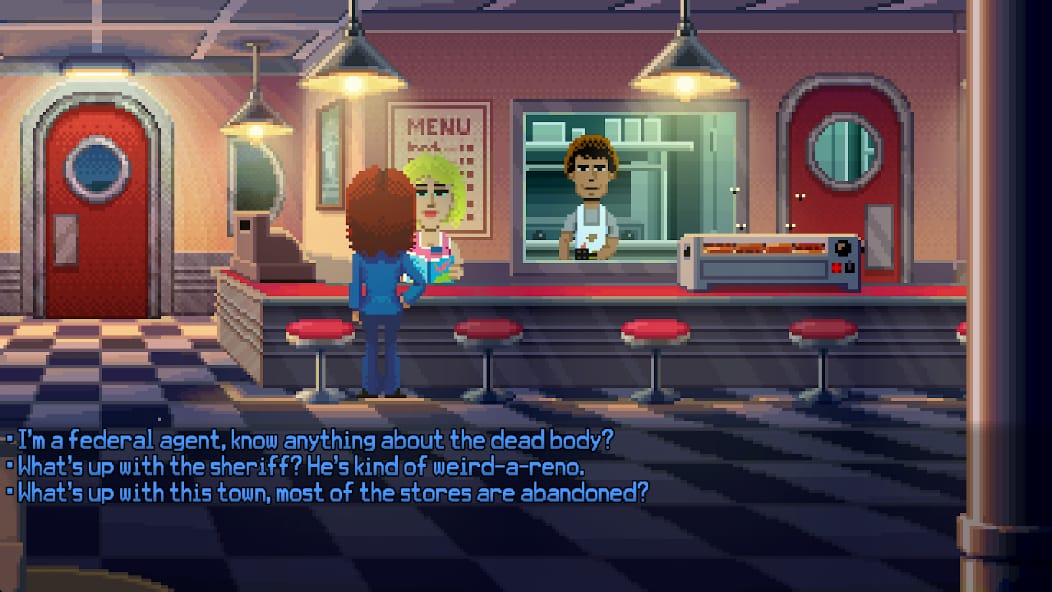
The core loop is pure classical adventure: explore, collect, combine, converse, deduce. What separates Thimbleweed Park from its thousand imitators is puzzle discipline. Gilbert's design philosophy — puzzles should be solvable through observation and logic, never through pixel-hunting or moon-logic item mashing — holds for probably 90% of the game. When you solve something here, you feel clever, not lucky. The multi-character structure does real mechanical work: getting Ransome's act ready while Delores photographs evidence across town creates a pleasant, almost project-management rhythm of parallel objectives. The game trusts you to hold five threads at once, and that trust is the point.
The remaining 10% is where the critical eye earns its keep. A handful of Hard-mode puzzles cross from "clever" into "obscure" — the kind where the solution is logical only in retrospect, after you've exhausted every other combination. The hint line mitigates this, and its in-fiction implementation is charming, but reaching for hints in a puzzle game is always a small design failure, and Thimbleweed Park triggers it more often than its best-in-class reputation suggests.
Writing That Actually Lands
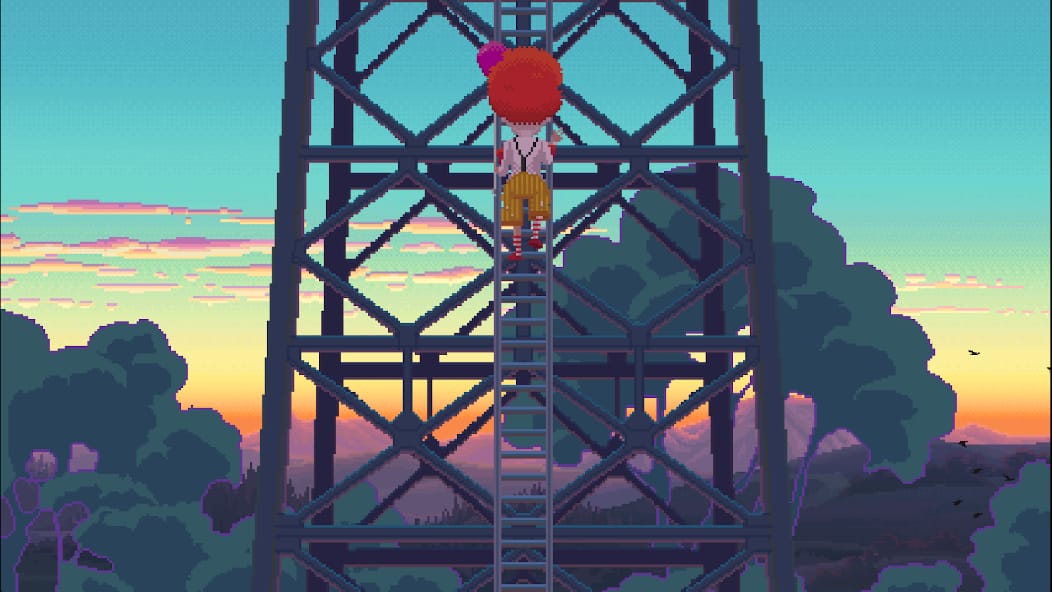
Adventure games live and die on prose, and this one is genuinely funny — not "video game funny," where you smile politely at a reference, but laugh-out-loud funny. Ransome the clown is the standout: a bitter, bleeped-out insult comic whose tragedy is played completely straight underneath the profanity. The self-aware humor is the riskiest ingredient. Characters complain about adventure-game conventions, reference their own tutorialization, and eventually the fourth wall stops being a wall at all. For most of the runtime this meta-layer is seasoning. In the final act it becomes the meal, and that's where opinion fractures.
The Ending Problem
Without spoiling specifics: the mystery you spend twelve hours investigating resolves into something more conceptual than conclusive. Some players find it a brilliant thesis statement about the genre itself. Others — and I have real sympathy here — feel the noir plot they invested in gets traded for a wink. A murder mystery makes a promise. Thimbleweed Park keeps a different promise than the one it made, and however artfully it does so, that's a structural gamble the game only half wins. It doesn't sink the experience. It does explain why an otherwise adoring player base keeps a small asterisk next to its recommendation.
Onboarding and Accessibility
Credit where due: the Casual/Hard split is the smartest structural decision in the game. Casual isn't a patronizing easy mode; it's a curated cut that preserves the story and the best puzzles while removing the longest dependency chains. It converts a genre with brutal onboarding friction into something you can hand to someone who has never right-clicked a rubber chicken in their life. Every revival project in every genre should study this.