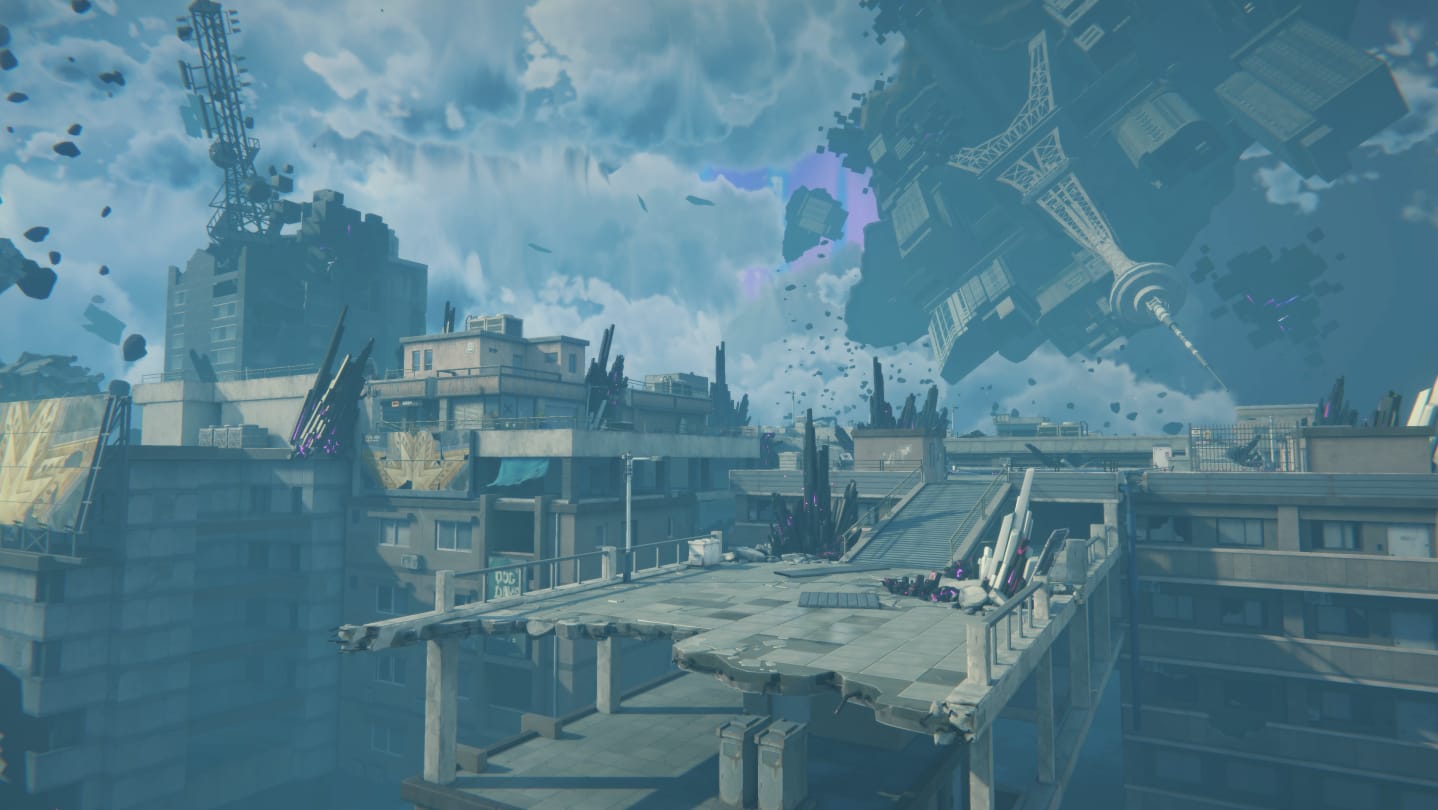


Bottom Line: Zenless Zone Zero is a hyper-stylized, kinetic masterpiece of action design that occasionally trips over its own experimental navigation systems. It is the most focused and mechanically rewarding combat engine HoYoverse has built to date, even if the "TV Mode" remains a polarizing friction point.
The Kinetic Loop
The heart of Zenless Zone Zero beats in its combat. If Genshin is about elemental math and Star Rail is about tactical patience, ZZZ is about pure, unadulterated rhythm. The game utilizes a three-character squad, but the "seamless integration" of these units goes beyond simple swapping. The Defensive Assist mechanic is a revelation in the genre; switching characters just as an enemy attack lands triggers a parry or dodge that flows immediately into a counter-attack. It turns every encounter into a choreographed dance of sparks and smear frames.
The animation quality here is arguably the best in the mobile-cross-platform space. Characters don't just move; they "squash and stretch" with a weight and personality that feels ripped from a high-budget 90s OVA. Whether it’s Billy Kid’s dual-pistol acrobatics or Ben Bigger’s lumbering, brutal pillar strikes, every Agent feels distinct. This isn't just "hit the button until the health bar disappears." You are managing a Daze meter, building up impact to trigger those devastating Chain Attacks that make the screen explode in a calculated riot of color.
The Friction of the Grid
While the combat is a triumph, the TV Mode exploration—the grid-based navigation through the Hollows—is where the game’s pacing encounters significant turbulence. To some, it’s a clever, rogue-lite inspired abstraction that prevents "open world fatigue." To others, it’s a momentum killer. Navigating a sea of television screens to solve sliding puzzles can feel like a chore when you know the visceral thrill of the combat is waiting on the other side.
However, there is an undeniable charm to the abstraction. It allows for creative storytelling beats that would be impossible in a standard 3D environment, such as escaping a collapsing building represented by disappearing tiles. The problem isn't the concept; it's the onboarding friction. The early game spends far too much time holding your hand through simple grid movements, delaying the "flow state" that the game otherwise excels at.
The Proxy Life
Outside the Hollows, New Eridu is a masterclass in atmospheric world-building. Your home base on Sixth Street isn't just a menu masquerading as a city. It’s a lived-in space. The loop of grabbing a coffee at "Coff Cafe" for a stamina boost, eating ramen for combat buffs, and checking the news at the local kiosk creates a compelling daily cadence. It grounds the high-stakes action in a relatable, mundane reality. The writing is snappy, favoring character-driven banter over the dry, lore-heavy monologues that plague other RPGs.