
Bottom Line: Braid: Anniversary Edition isn't merely a remaster; it’s a meticulously re-engineered testament to puzzle-platforming brilliance, offering both veterans and newcomers an indispensable journey through time.
Braid has always existed in a class of its own, and the Anniversary Edition only cements that status. At its heart, the game is a masterclass in iterative puzzle design. Each world introduces a new facet of Tim’s time-bending powers, forcing players to unlearn conventional platformer logic and embrace temporal paradoxes as solutions. The genius lies not in sheer difficulty, but in how the game meticulously teaches its own rules, building layers of complexity without resorting to hand-holding. A puzzle that seems insurmountable often yields to a moment of epiphany, a sudden understanding of how time itself can be manipulated to create opportunities or undo mistakes.
The narrative, often described as allegorical and open to interpretation, avoids explicit exposition in favor of environmental cues and subtle text fragments. This deliberate ambiguity, which some critics initially found "pretentious," is precisely what lends Braid its enduring allure. It’s a story about regret, consequence, and the futility of rewriting the past, wrapped in the guise of a princess-rescue quest. The Anniversary Edition's expanded developer commentary is, arguably, its most significant addition for aficionados. This isn't superficial developer diaries; it’s a deep dive into the theoretical underpinnings of game design, level construction, and the philosophical considerations that shaped every pixel and mechanic. It transforms the game into a living textbook, invaluable for anyone interested in the craft.
The user experience flow is remarkably fluid. The ability to instantly rewind any mistake eliminates frustration, converting failure into a learning opportunity. This design choice is fundamental; it encourages experimentation, allowing players to poke and prod at the temporal fabric without penalty. The game’s pacing is deliberate, rarely rushed, allowing ample time for contemplation before demanding execution. This contemplative rhythm, combined with the often-challenging nature of the puzzles, creates a distinct engagement loop: observe, hypothesize, test, rewind, refine, succeed. The added levels offer a substantial expansion of this loop, ensuring that even seasoned Braid veterans will find fresh mental hurdles to overcome. The brilliance of Braid always lay in its unique blend of cerebral challenge and emotional resonance, and this new edition amplifies both, providing an experience that is at once intellectually demanding and deeply affecting.
Gameplay Loop
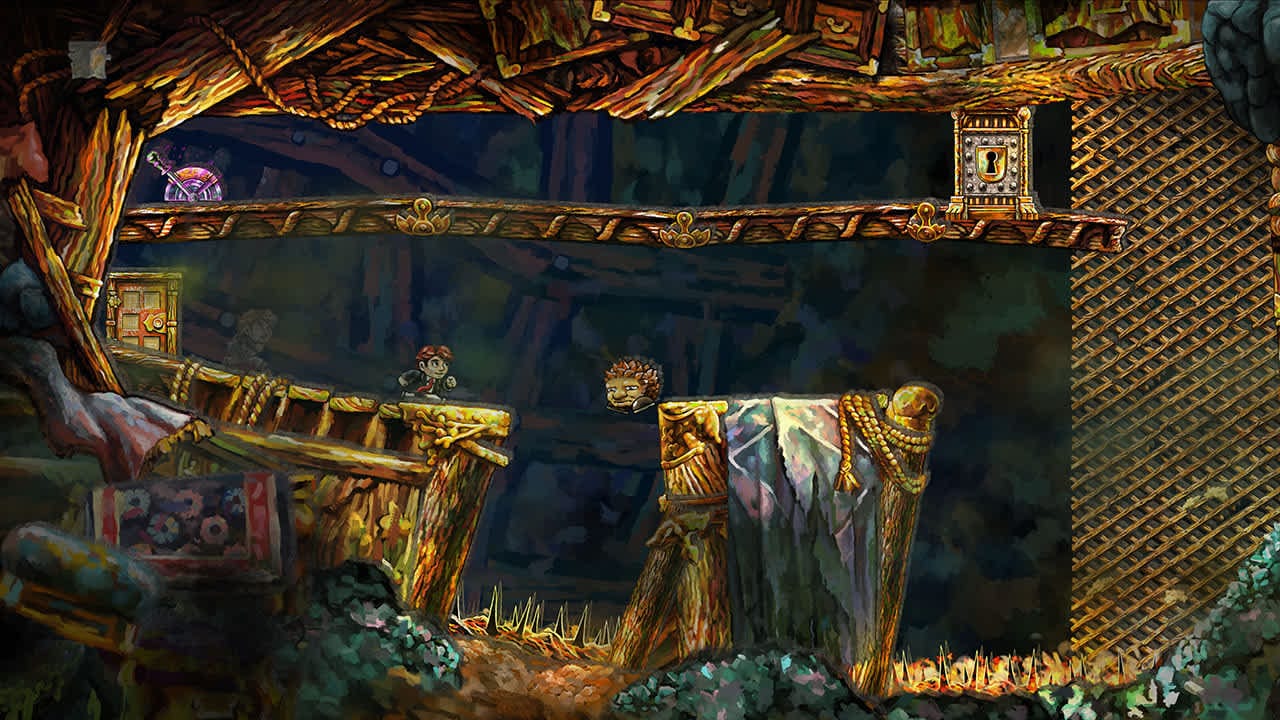
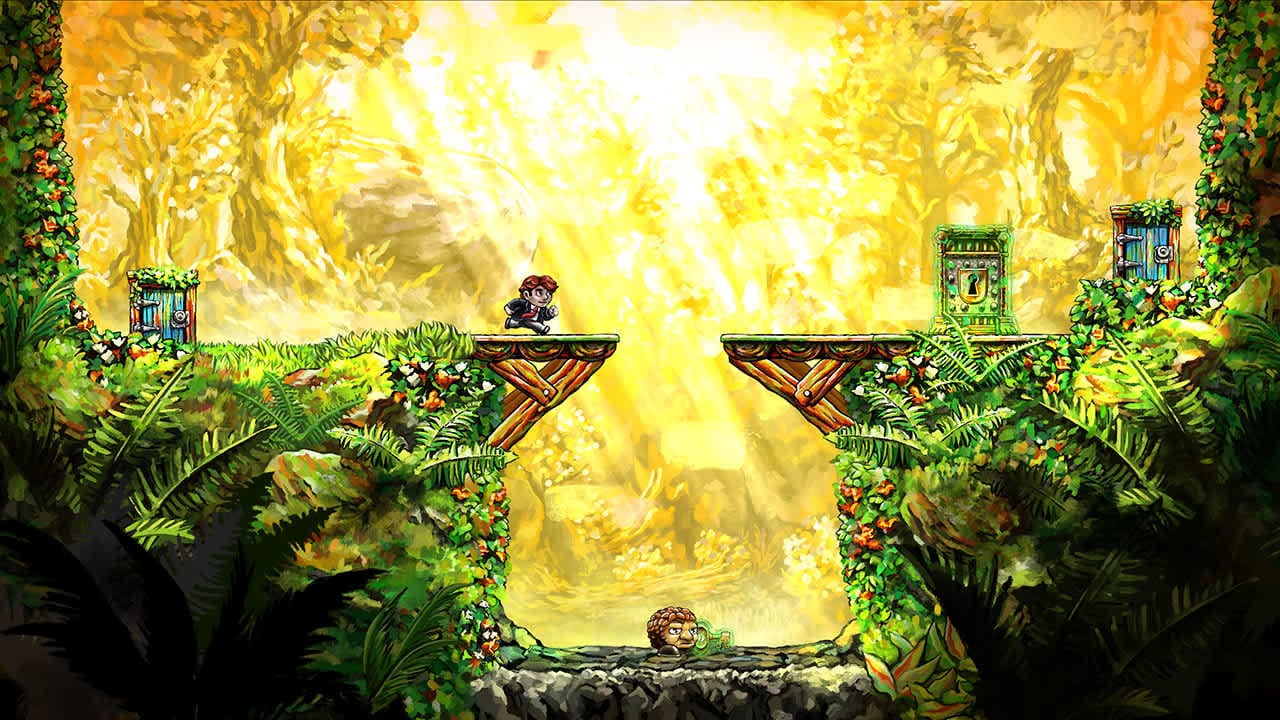
The core gameplay loop in Braid is elegantly simple yet infinitely complex: encounter a puzzle, identify the time mechanic at play, formulate a solution, execute, and if (more often than not, when) failure occurs, instantly rewind to try again. This constant cycle of trial-and-error, mitigated by the forgiving rewind feature, transforms potential frustration into persistent engagement. The game expertly introduces new time-bending rules in each world—from objects immune to time reversal to parallel realities—and then layers these mechanics, demanding increasingly abstract and creative solutions. Success isn't about reflexes; it's about lateral thinking and a profound understanding of cause and effect within a temporal distortion field. The addition of 40 new levels in this edition ensures that this loop, honed to perfection, continues to challenge even those who have mastered the original.
Depth of Commentary
The developer commentary isn't merely an audio track; it's an interactive pedagogical tool integrated into new, bespoke levels. Blow and his team dissect design decisions, philosophical influences, and the myriad challenges faced during development. This level of transparency is rare and invaluable, offering a granular look into the creative process of a landmark title. It shifts Braid from being merely a game to a historical document, a living artifact of its own creation, providing context that deepens appreciation for its intricate design.