

Overview
Every trick-puzzle game makes the same promise: the question on screen is lying to you. Brain Puzzle 3: Crazy Mind stretches that promise across a large set of bite-sized levels. Each one is built around an odd situation or a question that reads as simple, and the plain reading is almost always the trap. Solutions come from poking at the cartoon scene itself by tapping, dragging, combining or moving objects. They reward the kind of lateral thinking that treats a level’s framing as negotiable.
The developer credit reads JoyGame Studio. The game’s job is clear: give players who cleared the earlier entries another batch of punchlines in the same format. The listed store rating is 4.6 out of 5 from 31,432 ratings.
The business model follows the genre’s default: free to play with ads, plus an optional in-app purchase that removes them. The developer pitches the game as a relaxing but challenging way to sharpen observation, memory, logic and problem-solving in short sessions. We read the cognitive-training language as marketing. Nothing here amounts to evidence that anyone’s memory improves. The more honest line in the pitch is the warning that the game may cause both frustration and laughter. That pairing describes the product well, and the balance between the two decides whether it earns a spot on a home screen.
The game is available on iOS and Android.
Key features
- A large set of bite-sized levels: Each stage is a self-contained riddle sized for a short break, and the backlog gives the free download real volume.
- Several puzzle categories: The levels rotate through visual brain teasers, observation hunts for hidden details, quick-reaction tests, memory tasks and logic traps, so no single trick dominates for long.
- Merged puzzles: Some stages combine several puzzle types into one scenario. Store reviews single this out as one of the game’s best ideas.
- Direct-manipulation solving: Answers come from interacting with the scene (tapping, dragging, combining, moving objects) rather than from picking options off a multiple-choice list.
- Hint system: Players who are stuck can request a nudge to get moving again.
- Ongoing level updates: New levels arrive on a regular basis, which extends the game’s life beyond its launch content.
- Optional ad removal: A one-time in-app purchase removes ads from the free-to-play build.
Analysis
The Loop: Setup, Misdirection, Punchline
Each level works like a joke that holds back its punchline. The game presents a scenario, the obvious answer fails, and the player has to step back and question the premise. The release comes from realizing the rules were never what they seemed. The structure is tight, and its best quality is low cost of failure: a wrong guess costs seconds, so the loop pushes toward experimenting rather than stalling. That makes it a natural fit for short, fragmented play.
The genre’s biggest enemy is pattern recognition. Once players learn a developer’s favorite tricks, such as “the answer is hidden in the question” or “the object you can’t see is draggable,” the misdirection stops working and the game turns into a checklist. Rotating through several categories is the right defense. An observation hunt calls for a different mindset than a memory task or a quick-reaction test, so the variety delays the point where every level feels predictable.
Merged Puzzles Are the Best Idea Here
The stages that mix several puzzle types into one scenario deserve the praise they get. They attack the player’s habit of sorting each level into a category and then reaching for the matching approach. When a scene opens as an observation puzzle and turns into a logic trap halfway through, the player has to keep re-reading the situation. That is lateral thinking in the purest form the genre offers, and we would like to see this format make up a larger share of the game.
When the Answer Lives in One Gesture
The most serious design complaint in store reviews is that some levels feel nearly impossible because the required interaction is too specific. This failure mode is common in the genre and especially damaging here. A lateral-thinking puzzle should reward the idea. When a player has the right concept but the game accepts only one exact gesture on one exact object, the puzzle stops testing creativity and starts testing whether the player can guess what the designer had in mind. Point-and-click adventures earned the “moon logic” label for the same problem. In a game that sells itself on cleverness, rejecting a correct idea because of how it was executed is a design bug, not a difficulty spike.
A Hint System That Needs Sharper Teeth
A game built on obscure solutions lives or dies by its safety net. Brain Puzzle 3 has a hint system, but reviews describe the hints as not very helpful, and that combines badly with the issue above. A vague nudge does nothing for a player who already understands the trick but hasn’t found the one interaction the level accepts. A tiered system would fix most of the problem: a conceptual hint first, then a pointer to the relevant object, then an explicit solution. Without one, frustration in this genre turns quickly into players abandoning the game.
Volume, Repetition and the Update Treadmill
A large level count plus regular additions give the game a lot of content, and the cost of that volume is sameness. Reviews note that scenarios can start to feel repetitive, which is the expected result when a fixed set of tricks has to fill many stages. The update model is meant to keep long-term players coming back, but reviews also report that promised weekly updates have sometimes arrived late. For players who have cleared the backlog, a missed release date is the only thing they experience, and a public weekly promise makes every delay visible. A looser commitment kept reliably would serve the developer better than a weekly one that slips.
The Humor Problem
The developer frames laughter as part of the product, and in this genre the joke and the puzzle are the same thing. That makes the content complaints hard to set aside. Several reviews call parts of the humor dated or offensive, including sexist and body-shaming jokes, and say plainly that this is not a game for kids. Players can’t skip a joke and keep the puzzle, because the joke is the puzzle. The friendly cartoon art makes things worse: it suggests a family-safe brain game, and parents who download it on that impression may be caught off guard. We count this as a meaningful mark against the game, not a matter of taste.
Monetization
Ads interrupt short levels, so each break takes up a larger share of a brief session. The fix is fair, though. A one-time purchase removes ads, and no subscription or energy system is indicated. For anyone who plays regularly, that purchase is the obvious move.
Visuals & performance
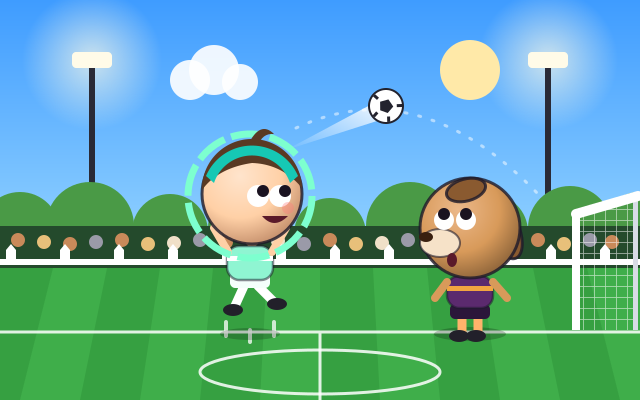
The cartoon art does two jobs: it sets the tone and it serves as the puzzle surface. That second job sets the standard the visuals have to meet. Observation challenges depend on details that are hidden but still fair to find, and drag-and-combine solutions depend on objects that clearly look interactive. Clean, readable cartoon scenes suit both. Ambiguous art, on the other hand, worsens the “too-specific interaction” problem, because players can’t tell what the game expects them to touch. The visual style is functional rather than ambitious, which is reasonable for a game where the scene is a riddle first and an illustration second.
On performance, a 2D cartoon puzzle game with short, self-contained levels should be light on hardware and battery, and it should suit older phones. Quick-reaction tests are the one category where input responsiveness matters, and simple 2D scenes give the design plenty of room there. By design, the biggest interruption to flow is the ads, not the engine.
Platform nuances
- iPhone and Android phones: The touch-first design fits phones best. Tapping and dragging objects with a finger is the intended input, and short levels match how people use their phones. Smaller screens are the main drawback for observation puzzles, where hidden details have to compete for limited space.
- iPad: The larger canvas should make hidden-detail hunts and multi-object scenes easier to read, with no change to how the game is controlled.
- Store rating: The listed rating is 4.6 out of 5 from 31,432 ratings.
- Pricing and purchases: The game is free with ads on both platforms, and ad removal is an optional in-app purchase. Nothing indicates that a purchase on one store carries over to the other, so players should buy on the platform they actually use.
- Feature parity: The game is described the same way on both ecosystems, with the same puzzle types, hint system and update schedule. No platform-exclusive features are indicated.
Final verdict
The problems come first: too many levels accept only one precise interaction, the hints rarely rescue a stuck player, and the humor includes sexist and body-shaming jokes that cannot be separated from the puzzles. The level volume also produces repetition, and the weekly update promise has slipped at times.
What works is the short, cheap-to-fail loop and the merged-puzzle stages, which show the format can still surprise. The listed store rating is high, but that does not make the game easy to recommend for most people. Adults who like the earlier games and want cheeky, brief puzzles may find something here; families should look elsewhere. For regular players, the one-time ad-removal purchase is the sensible add-on.
Reviewed by the Rankeno Puzzle & Casual Desk. Scores are out of 10; the overall score is the desk’s editorial judgement, informed by the four sub-scores above. How we review