

Bottom Line: Arnold Rauers' Card Thief isn't just another mobile card game; it's a masterclass in strategic design, distilling the tension of stealth gameplay into a remarkably elegant and endlessly replayable solitaire experience that sets a new standard for the genre.
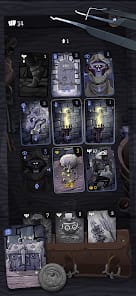
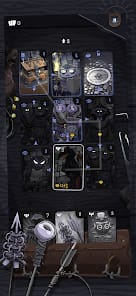
The brilliance of Card Thief lies in its seemingly simple premise masking an extraordinary depth of strategic possibility. At its core, the game's gameplay loop is a constant, exhilarating tightrope walk between risk and reward. Each move on the 3x3 grid isn't just about advancing; it's about managing stealth points, predicting guard movements, and maximizing loot while minimizing exposure. Extinguishing a torch reduces visibility, but the card is then removed, altering the board state. Pickpocketing a guard yields treasure points, but often at the cost of stealth, making subsequent moves more perilous. This perpetual push-and-pull creates a dynamic tactical environment where no two runs ever feel identical.
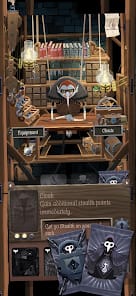
The strategic depth is further amplified by the innovative "mini deck-building" element. The 12 unlockable equipment cards are not mere stat boosts; they are fundamental modifiers that can radically alter optimal strategies. A "Sneakers" card might grant extra stealth, enabling bolder maneuvers, while a "Lockpick" could open up new paths to treasure. The true mastery comes in understanding how these equipment cards synergize with the 10 distinct thieves, each endowed with unique abilities. One thief might excel at direct confrontation (a risky proposition in a stealth game), while another might specialize in escaping detection. This system encourages experimentation, demanding players not only adapt to the board but also to their chosen thief and loadout, fostering a truly roguelike experience where failure is merely a stepping stone to a deeper understanding of the mechanics.
While the game is lauded for its depth, it presents a steep learning curve. New players will inevitably fumble through early heists, their carefully laid plans unraveling under the watchful gaze of virtual guards. This initial friction might deter some, yet for those who persevere, the game transforms into a highly addictive and rewarding endeavor. The gradual mastery of its systems, the subtle tells of card interactions, and the nuanced understanding of stealth point management provide a genuine sense of accomplishment. Successfully pulling off a complex heist, chaining together moves with surgical precision, feels like a genuine intellectual victory. The Daily Heist mode, complete with global leaderboards, provides a competitive outlet for seasoned players, extending the game's longevity far beyond its initial offering. It's an ecosystem of emergent strategy, where every decision carries weight, and every successful escape is hard-earned. The game doesn't hold your hand; it equips you with tools and challenges you to become the master thief it knows you can be.