

Overview
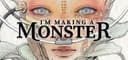
Every creative person knows the voice that says one more hour. I’m Making a Monster builds a whole game out of that voice, and out of the friends who keep telling you to ignore it.
The player takes the role of a mage and scientist who is pouring everything into building a monster, while a few long-neglected friends keep urging a break. The premise echoes the oldest story about creators and their creations, the obsessive alone in the laboratory, but points it somewhere warmer. zorkie studios frames the story around friendship, community, creative people, and coping with loss.
The game is a remake. The studio’s earlier Build-A-Monster told the same story in text alone. I’m Making a Monster rebuilds it as a fully illustrated game, adds new writing and new events, and puts the whole script through a full text edit. The plot, characters, and themes remain intact. That shapes its positioning. Newcomers get the complete, polished version of an existing story. Returning players get a director’s cut whose additions are art, music, and expanded writing, with no new narrative.
Mechanically, the game sits at an unusual intersection. It combines monster dress-up, a friend-dating simulation, and a grief narrative, and holds them together with one recurring decision: how to spend time. Seasons pass, the protagonist changes, and the world changes too.
The game is short and single-player. It is available on Steam for Windows, macOS, and Linux, with a free Prologue demo. It targets players who come to narrative games for character and theme, and who want their choices to carry emotional weight more than mechanical complexity.
Key features
- Time as the deciding resource: The player chooses how to divide time between building the monster and reconnecting with a small circle of friends the protagonist has neglected.
- Part-by-part monster construction: Players pick the materials for each part of the monster, which gives the build a dress-up layer.
- A small set of friendships to rebuild: A friend-dating structure built around working out what each friend means to the protagonist.
- Seasonal progression: Seasons pass over the course of the story, and both the protagonist and the world change along the way.
- Custom name and a range of pronoun options: Players can set the protagonist’s name and choose from multiple pronoun sets, including neopronouns.
- Illustrated, expanded remake: Full illustration, original art and music, expanded writing, new events, and a full text edit, built on the original Build-A-Monster‘s plot, characters, and themes.
- Steam extras and a free demo: Steam Achievements, Steam Cloud, and a free Prologue.
Analysis
Time Is the Only Currency
The best idea in I’m Making a Monster is also the plainest. The player’s time is scarce, and both the monster and the friends want it. The premise of friends urging a break while the protagonist keeps working could easily have lived in cutscenes. The game makes it a recurring prioritization decision instead, and that is sharp design. A story about overwork hits harder when the player chooses the overwork and then has to see which friend went unvisited because of it.
The whole experience depends on how much that trade-off bites. A time-management narrative works when every allocation costs something the player cares about. It falls apart when a careful player can max out the monster and every friendship in a single run. The framing of a few neglected friends and a protagonist absorbed in the work suggests the tension is intentional. The best version of this design would make the player feel each missed visit.
Dress-Up as Pacing and Expression
Choosing materials for each part of the monster is the game’s most tactile layer. In a text-heavy narrative, a dress-up system works as a pacing valve: a playful, visual, low-stakes task between heavier conversations about friendship and loss. It also gives the “creative people” theme something to do. The protagonist is a maker, and the game lets the player make something.
The pitch doesn’t say how much those material choices feed back into the story. If they shape events or dialogue, the dress-up becomes a second way to express the protagonist alongside the friendships. If they’re purely cosmetic, the system is a pleasant toy and nothing more. The free Prologue is the place to find out.
Friendship, Through Dating-Sim Grammar
Calling the friend side a “dating simulation” is a deliberate choice. Dating sims have a familiar structure: you spend attention, earn affinity, and unlock routes. Applying that structure to friendships makes an argument that platonic relationships deserve the focused attention games usually save for romance. The game’s framing, working out what each friend means to you, leaves room for ambiguity. That suits a story about reconnecting after a long absence.
A small cast is the right size. A short narrative game can’t sustain a dozen arcs with any depth. A handful gives each friend room. If the time budget can’t cover everyone in one run, it also gives players a clear reason to replay, and Steam Achievements reinforce that loop.
The range of pronoun options, including neopronouns, plus a custom name, fit a game about community. The story asks the player to inhabit the protagonist’s grief and loneliness, so letting players define who that protagonist is removes a real barrier to identifying with them.
Seasons and Grief
Seasons pass, and the protagonist and the world change with them. That calendar does real work. It turns abstract time allocation into visible consequence, as the year moves on and the choices about who got attention pile up. For a story about coping with loss, a seasonal frame fits: grief is measured in time, and so is this game.
Mixing dress-up and friend-sim systems with a reflection on loss is the game’s biggest tonal bet. Playful mechanics can undercut sad material, or they can make it bearable, offering the same relief the friends offer the protagonist. This combination is the most interesting part of the design. It is also the part most likely to divide its audience.
The Remake Question
Newcomers have no decision to make. This is the complete version of the story: illustrated, expanded, and edited. Anyone who played Build-A-Monster faces a harder call. The plot, characters, and themes are unchanged. The new material adds texture and detail to a story they already know: art, music, expanded writing, new events, and a cleaner script. That is a reasonable offer for fans who want to see the original fully realized. It is a thinner one for players hoping for new narrative ground.
Short by Design
The game is short, which mostly helps. A tight narrative about one obsessive project shouldn’t sprawl. The cost is how its value is perceived, since short narrative games invite price-to-length scrutiny. The premise and tonal mix won’t land for everyone, and anyone weighing a purchase should know the game doesn’t win over every player.
Visuals & performance
Illustration is the headline change in this remake, and it is the change that best justifies the project. A text-only monster-building game asks players to imagine the creature. A fully illustrated one can show every material choice, which gives the dress-up layer the payoff it needs. Illustration also gives the friend-dating side faces to attach to. The dating-sim format leans heavily on character art, and a text-only version always works against that format.
Original art and original music accompany the story. Music matters more than usual in a game about loss and passing seasons, because a score can carry a year’s changing moods in ways prose alone struggles to. The full text edit is a quieter improvement, but in a game made mostly of words, the prose is the interface. Cleaner writing makes the whole game easier to read.
On performance, a 2D illustrated narrative game of this scope is light on hardware. It is built for modest laptops across all three supported operating systems.
Platform nuances
- Storefront: Steam only, with native builds for Windows, macOS, and Linux. The listed feature set, including Steam Achievements and Steam Cloud, applies to the Steam release as a whole.
- Input: Mouse and keyboard are the natural fit for a choice-driven, menu-based narrative game. Controller support isn’t among the listed features, so players planning to use a handheld PC or a couch setup should check it in the Prologue first.
- Saves: Steam Cloud lets progress follow a player between machines. That matters in a game where seasons and relationships build up over a run.
- Try before buying: The free Prologue demo is the obvious first step. It lets players judge the tone, the time trade-off, and the dress-up system before paying for the full game.
- No other platforms: No console or mobile versions are listed.
Final verdict
I’m Making a Monster gets the most important thing right: it makes the player choose between the work and the people. Dress-up gives the creative theme something to do, the small cast keeps the relationships focused, and the seasonal structure gives time allocation real consequence. The remake’s illustration and music give the monster and friends the visual presence that dress-up and dating-sim formats demand.
The problems are scope and fit. The game is short. Returning players get a richer telling of a familiar story rather than a new one. The tonal mix of dress-up, friend-sim and grief won’t work for everyone. For players drawn to quiet games about friendship, grief, and creative obsession, the free Prologue is the sensible first step. We rate it as a focused narrative game with a good central mechanic, but one that is hard to recommend broadly.
Reviewed by the Rankeno Strategy & Sim Desk. Scores are out of 10; the overall score is the desk’s editorial judgement, informed by the four sub-scores above. How we review