Bottom Line: Janbeh Games' Love, Ghostie transcends the crowded "cozy game" genre, delivering a meticulously crafted social simulation that expertly intertwines strategic management with genuinely heartwarming romance, making it an essential, high-value acquisition for the discerning Nintendo Switch owner.
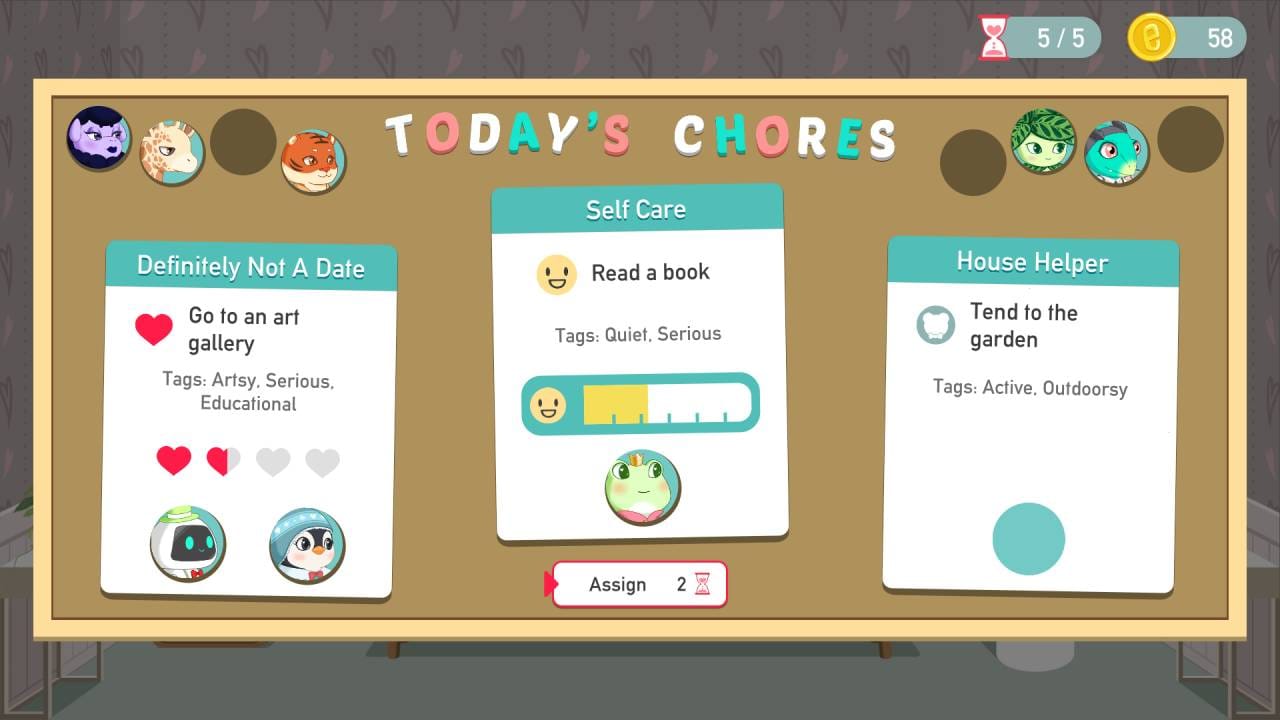
Love, Ghostie executes a rare maneuver: it leverages familiarity to subvert expectation. At first blush, the premise of a "cozy management and romance game" might trigger a jaded eye-roll from critics accustomed to thinly veiled Skinner boxes wrapped in pastel aesthetics. Yet, Janbeh Games demonstrates a profound understanding of what makes such genres resonate, then elevates the experience with nuanced design choices. The core gameplay loop — strategically distributing gifts, monitoring resident affinities, and orchestrating romantic encounters — is deceptively simple but possesses a satisfying depth. Gifting isn't merely about ticking boxes; different residents respond to specific item categories, and their current mood states dictate the efficacy of your spectral largesse. This necessitates a degree of observation and inference, subtly transforming the player into a benevolent, unseen puppet master of affection. The consequence of poor gifting isn't punitive; it merely stalls progress, maintaining the game's low-stress ethos without sacrificing strategic engagement.
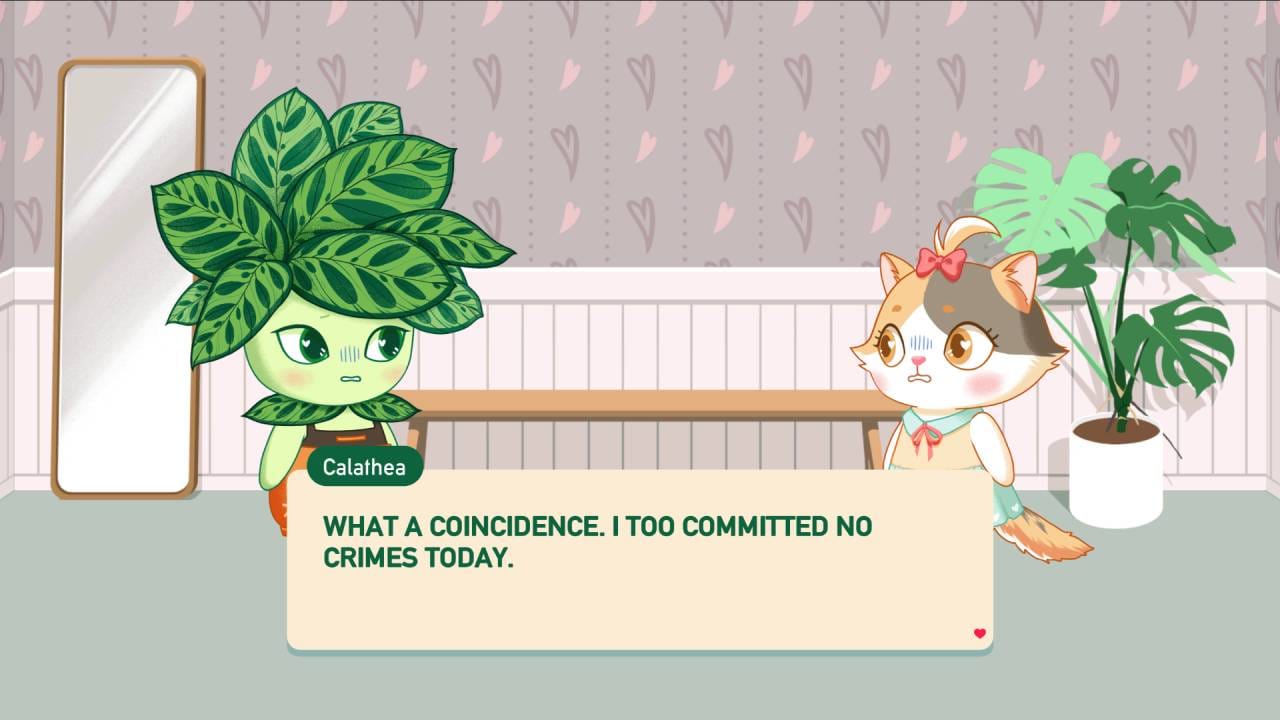
The real innovation lies in the character and relationship design. With 12 distinct individuals, the potential for 60+ unique couple combinations is more than just a marketing bullet point; it reflects a commitment to narrative breadth. Each pairing unfolds not as a generic template, but with bespoke dialogues, unique date scenarios, and evolving personal arcs. This prevents the feeling of "copy-paste" romance often prevalent in games of this ilk. The writing, praised for its "wholesome humor," provides the scaffolding for these relationships, ensuring that even the most unexpected pairings feel earned and often genuinely touching. This attention to detail in character interaction is paramount, transforming what could be a sterile management exercise into a vibrant, living social ecosystem.
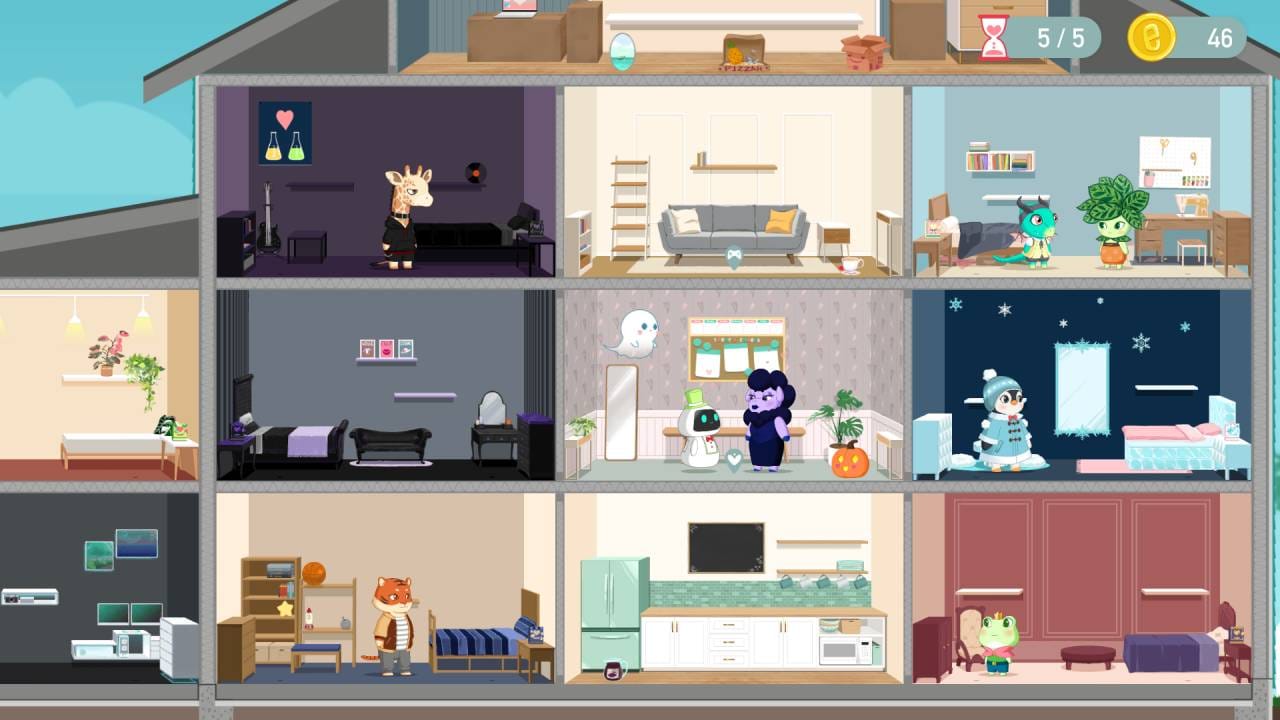
The onboarding experience is particularly well-handled. The game gradually introduces its mechanics, allowing players to acclimate to their spectral responsibilities without overwhelming them. The UI, while clean, could benefit from more immediate feedback on resident preferences, requiring a few rounds of trial and error before players truly grasp the deeper layers of the gifting system. However, this mild friction eventually gives way to a rewarding sense of mastery. The inclusion of mini-games and manor upgrades serves as a vital pressure release valve from the primary matchmaking grind, offering tangible progression pathways that aren't solely dependent on romantic success. These elements provide a sense of agency beyond the social sphere, grounding the ethereal premise with practical, observable improvements.
Crucially, the New Game+ mode isn't an afterthought; it's an integral component of the game's value proposition. By preserving unlocked dates and relationship progress, it actively encourages players to explore every permutation without the tedium of repeating initial relationship building. This foresight extends the game's lifespan significantly, transforming a potentially finite experience into a continuously rewarding endeavor, directly addressing the common criticism of limited replayability in narrative-driven games. Love, Ghostie understands that players who invest in its charming world want to see every story play out, and it provides the architectural support to facilitate that exploration. The overall experience is one of refined craftsmanship, where the whimsical premise is supported by robust systems and a genuine commitment to player enjoyment.