
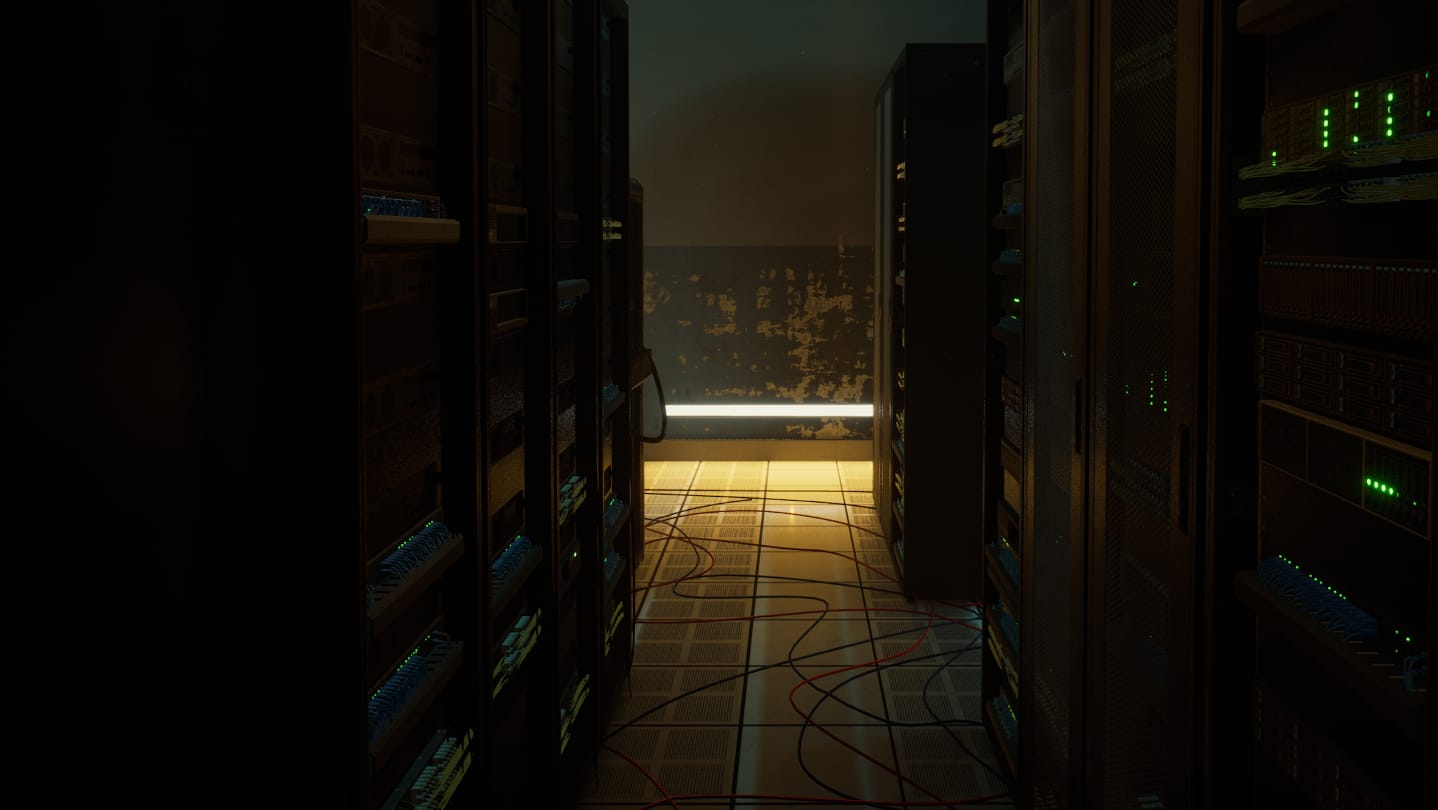



Bottom Line: Ready or Not is the best tactical shooter of its generation when its AI cooperates — a tense, morally heavy simulation of SWAT work that treats a doorknob with more dramatic weight than most shooters treat a boss fight. Erratic AI and lingering optimization quirks keep it just short of a masterpiece.
The Loop: Fear as a Mechanic
The genius of Ready or Not lives in a simple inversion: the game makes you slow down in a genre built on speed. Time-to-kill is brutally short in both directions. A suspect with a pistol behind a couch can end your operator in half a second, which means every unopened door radiates menace. You mirror under it. You wedge the adjacent hallway. You stack your team, pick your breach, and take a breath before you call it. When the flashbang pops and you flow into the room shouting compliance orders at a man who may or may not be reaching for something — that half-second decision is the entire game, compressed. Shoot too early and your score craters. Shoot too late and you're watching a killcam.
This tension never fully dissipates, even after a hundred hours, because the game's suspect AI is deliberately unpredictable. Some surrender at the first shout. Some fake surrender and draw. Some flee, reposition, and ambush you from a room you already cleared if you didn't secure it. At its best, this produces emergent stories no scripted shooter can match.
At its worst — and here's the asterisk hanging over everything — the unpredictability curdles into inconsistency. Suspects occasionally snap 180-degree headshots through darkness that would embarrass an aimbot. Your own AI teammates, meanwhile, oscillate between competent professionals and liabilities: they'll clear a room beautifully one run, then stand in a doorway soaking fire the next, or fail to report a suspect standing in plain view. VOID has iterated on the AI continuously since 1.0, and it's markedly better than launch, but the variance remains the game's most cited complaint for good reason. In a game this lethal, dying to jank feels categorically worse than dying to your own mistakes.
The Moral Weight
Ready or Not commits to discomfort in a way few mainstream shooters dare. Missions involve school shootings, human trafficking, and child exploitation (handled through implication and aftermath, not depiction). Civilians scream, cower, and sometimes bolt directly into your line of fire. Your officers can suffer visible psychological strain between missions. Whether this constitutes meaningful commentary or grim set dressing is a fair debate — the game gestures at critique more than it articulates one — but the tonal seriousness undeniably services the gameplay. You hesitate because the game has taught you that everyone in the room is a person, mechanically and narratively.
The 2025 console release stirred controversy here: content adjustments made for platform certification rippled back into the PC version, and a vocal segment of the community read it as sanding down the game's uncompromising edge. Some pushback was proportionate; some was noise. Either way, the game that exists today remains far darker and more consequential than anything in the Rainbow Six Siege orbit.
Command and Co-op
Solo play is legitimately viable thanks to a command menu with real depth — stack on my mark, breach with C2, gas and clear, restrain and report. Issuing a coordinated two-door simultaneous breach and watching it execute is deeply satisfying. But co-op is where Ready or Not becomes essential. Four humans on comms, moving as an element, arguing about entry points in whispers — no AI squad replicates that, and the game's design clearly assumes it. If you have three friends with patience, this is one of the best cooperative experiences on PC, full stop.