

Bottom Line: Pixel Sprout Studios’ Sun Haven boldly fuses the tranquil loop of farming simulations with the sprawling ambition of a fantasy RPG, delivering a feature-rich experience that often captivates but occasionally strains under the weight of its own expansive vision.
The core conceit of Sun Haven is its relentless ambition to be everything. It attempts to marry the methodical, almost therapeutic grind of a farming simulator with the narrative propulsion and character development expected of a fantasy role-playing game. This is not a minor undertaking, and the results are, predictably, a mixed bag of brilliant innovation and noticeable compromises.
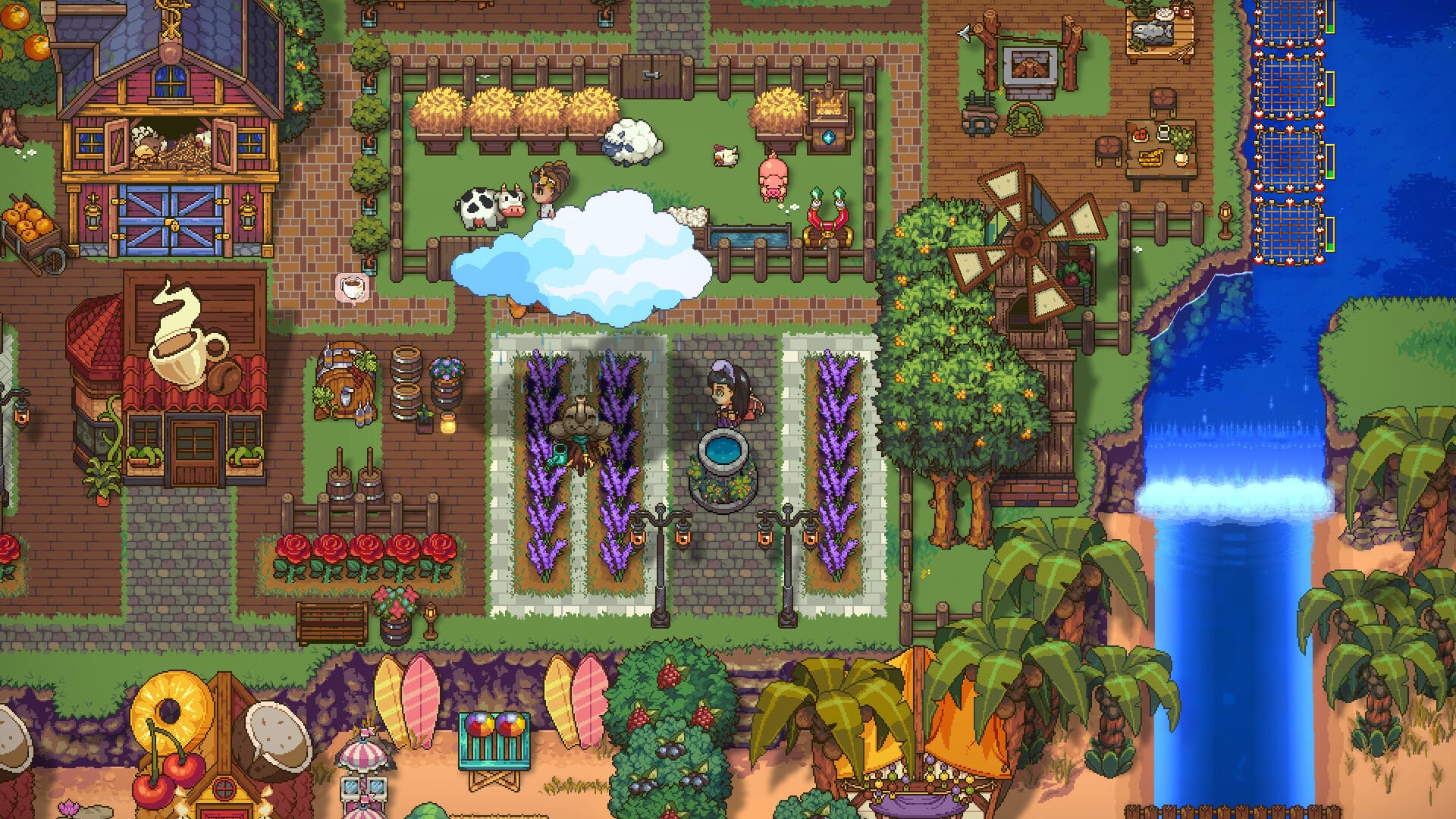
At its heart, the gameplay loop remains familiar to anyone who has tilled virtual soil: plant, water, harvest, sell. Yet, this agrarian rhythm is constantly intersected by the demands of adventure. The skill tree, a robust offering, quickly steers players away from purely agricultural pursuits. Investing in combat skills transforms what could be a tedious monster encounter into a strategic engagement, offering tangible rewards beyond mere gold. Similarly, exploration skills unlock secrets and efficiencies across the sprawling map, making the journey between Sun Haven, Nel' Vari, and Withergate less of a chore and more of a deliberate, rewarding expedition. This fusion generally works, creating a sense of purpose beyond simply maximizing profit margins. The constant interplay between farming tasks and dungeon delves prevents either activity from growing stale too quickly.
However, the sheer volume of content occasionally creates a sense of feature bloat. With so many systems vying for attention—farming, mining, fishing, combat, cooking, crafting, relationship building, town rebuilding—individual mechanics can sometimes feel shallower than they would in a more focused title. The combat, while serviceable and offering a variety of weapons and spells, lacks the precise hitboxes or deep tactical nuance of dedicated action RPGs. It’s more akin to a pleasant diversion rather than a primary draw. Similarly, while 23 romanceable characters is an impressive number, the depth of individual relationships can suffer, leading to interactions that sometimes feel procedural rather than genuinely organic.
A significant design choice, and one that greatly influences the user experience, is the absence of a stamina bar. This singular decision frees players from the often-punitive time management constraints common in farm-sims. The ability to farm, mine, and battle without arbitrary energy limits radically redefines the pace. It eliminates the frustration of having to prematurely end an activity, allowing for extended sessions of resource gathering or questing. This is a double-edged sword: while it empowers players with unparalleled freedom, it can also dilute the strategic element of daily planning that many find appealing in the genre. Without the pressure of dwindling energy, the urgent need to prioritize tasks diminishes, potentially leading to a less focused, more meandering experience for some. For others, it’s a liberation, fostering a sense of relaxed, unhindered exploration.
The multiplayer component, supporting up to eight players, is another standout. In a genre often associated with solitary play, the ability to share the workload, explore together, and collectively build a prosperous farm adds immense replayability and social value. This feature alone elevates Sun Haven above many of its contemporaries, transforming a typically solo endeavor into a communal experience, whether that's tackling a difficult dungeon or simply tending crops with friends. The interaction system, while broad, manages to keep the world feeling alive, offering a sense of community that extends beyond the player's personal farm.
Mechanics & Design Intent
Sun Haven clearly intends to immerse players in a high-fantasy setting first, and a farm-sim second. The inclusion of magic as a foundational element, rather than a tacked-on afterthought, permeates every aspect of the game. Spells aren't just for combat; they can accelerate farming, enhance resource gathering, and influence social interactions. This integration is commendable, transforming mundane tasks into something often more engaging. The choice of seven playable races further reinforces this commitment, offering unique aesthetic and potentially mechanical starting points that differentiate playstyles from the outset. This careful blend of systems showcases a clear design intent to create a world that feels both familiar and refreshingly distinct.