
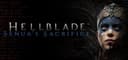
Overview
Most games treat mental illness as a plot twist or a spooky atmosphere. Hellblade: Senua’s Sacrifice treats it as the whole design: the controls, the sound, the puzzles and the story are all built around it. That’s an ambitious aim, and Ninja Theory mostly pulls it off.
Ninja Theory made its name on stylish melee games like Heavenly Sword and DmC: Devil May Cry, which were big-budget spectacles with combo systems to master. Hellblade goes the other way. It’s a smaller, self-contained third-person action-adventure about one woman’s trip through her own mind, dressed up as a trip into the Norse underworld. The studio has called this kind of project “independent AAA”: high production values on a tight scope, without the padding of a 40-hour open world.
You play Senua, a Pict warrior in the Viking age who lives with trauma and psychosis. Her lover, Dillion, is dead, and she goes to Helheim to fight for his soul. The myth is the surface. Underneath, the game is about grief, guilt and a mind that doesn’t agree with itself. Ninja Theory built the game with neuroscientists and people who have lived experience of psychosis, and it shows. The hallucinations don’t feel like horror-movie effects. They feel specific and personal, and they’re often exhausting.
Steam user reviews have been strongly positive, and the praise points to the same few things: the audio, Melina Juergens’ motion-captured lead performance, and how heavy the whole thing feels emotionally. The complaints point the same way too: the combat is simple, the puzzles drag, and it’s short.
Hellblade sits somewhere between a prestige narrative game and an action game. It isn’t a walking simulator, but it also isn’t the combat showcase Ninja Theory’s history might lead you to expect.
Key features
- Binaural “Furies” audio: Senua’s voices were recorded in binaural audio, so they whisper around the player’s head: behind, next to the ear, overlapping each other. They doubt Senua, mock her, warn when an enemy is behind her, and sometimes give real hints.
- Perception-based puzzles: Rune shapes are hidden in the scenery, and shifting the viewpoint changes the world around them. The puzzles are about how Senua sees things, not about moving boxes.
- Deliberate melee combat: Light and heavy attacks, dodges, parries and a focus ability that slows time, used against Norse-inspired enemies and several large bosses.
- Melina Juergens’ performance: Her motion-captured lead performance carries the game. Live-action sequences and Norse myths told by the character Druth fill in the rest of the story.
- No HUD, no tutorial: No health bar, no minimap, no button prompts. What’s on screen is Senua’s view, and the game expects players to figure it out from there.
Analysis
The Voices Are the Game
Everything else in Hellblade depends on its audio. In most games the sound adds atmosphere to what’s on screen. Here it carries the core ideas.
The Furies talk nearly the whole time. One voice tells Senua she’ll fail. Another tells her to keep going. A third calls out “behind you!” half a second before an enemy attacks. That last one matters: the voices are part of how the game is played. Without a HUD or a threat indicator, the voices are the UI. A player learns to listen to them, then to rely on them, and then to resent them for being right. That arc is what the game is actually about, and it’s clever design.
Headphones are required, not recommended. Binaural audio falls apart on TV speakers or a soundbar: the voices collapse into a vague stereo murmur and the game loses its main tool. Played through a TV, Hellblade is a much lesser game.
Gameplay Loop
The structure is simple and very consistent. Explore a path through hostile Norse scenery, hit a gate or barrier, solve a perception puzzle to open it, fight a group of enemies in an arena, watch a story beat, and repeat. Boss fights and some set pieces break things up, and several of those are strong. One section built around darkness and sound is among the studio’s most tense work.
The trouble is that this loop doesn’t grow. Across a runtime this short, the game rarely adds new verbs or deepens the old ones. For a game this brief, that’s a real design failure, not a small complaint.
Puzzles: A Great Idea, Used Too Many Times
The rune puzzles fit the theme perfectly. Senua sees patterns where there aren’t any, which is a known feature of psychosis, and the game makes that into a mechanic. Find a rune on a door, then look around until branches, shadows and broken timber line up into the same shape. The idea behind it is excellent.
In practice, the tenth rune plays almost exactly like the first. The player walks slowly around an area scanning the scenery, and the game gives little feedback when the solution is close. Getting stuck usually means the right viewpoint is a few degrees off, not a misunderstanding. That’s friction, not challenge. The perspective-shift puzzles, where walking through an archway or gate changes the world, are stronger and more varied, but there are fewer of them. By the second half, the rune hunts turn tedious.
Combat: Heavy Hits, Little Depth
Ninja Theory knows melee combat, and the basics here are solid. Hits land with real weight, animations are grounded, and a well-timed parry should feel satisfying. The camera stays tight on Senua, which makes fights feel close and dangerous but also makes it hard to track enemies coming from the side. The Furies’ warnings help cover that, and the design seems intentional.
The combat has very little range, though. With light attacks, heavy attacks, a dodge, a parry and a slow-time focus ability, the toolkit is complete within the first fight. There are no upgrades, no new weapons and no combos to learn. Enemy types are limited, and the later arena fights mostly add more enemies instead of new ones. The bosses do better because they have memorable designs and clear patterns, but the everyday fights settle into a routine. From the studio behind DmC, that reads as holding back on purpose, and it isn’t always a smart choice.
Onboarding by Omission
Hellblade skips the usual tutorial, and the choice is mostly justified. Withholding instructions puts the player as off-balance as Senua is, and working out the systems firsthand makes the story feel closer. Early on, the game also warns that repeated failure will cost Senua dearly, and that threat hangs over every fight. It’s an effective way to convey her fear.
The downside is real, though. Players unfamiliar with the genre’s conventions may lose time on basic questions like whether something can be interacted with or where the path goes, and those moments break the immersion the missing HUD is supposed to protect.
Story and Performance
Melina Juergens’ performance is the game’s strongest asset. She moves from terror to fury to exhausted grief, often within one scene, and the facial capture holds up in close-ups where other games would cut away. Senua never feels like a symbol. She feels like a real person going through something terrible.
The storytelling is layered. The live-action sequences look odd next to the in-engine footage, apparently deliberately. Druth’s Norse myths give background and act as a counterpoint to Senua’s own story. The ending is honest and unsettling, and it changes how the whole journey reads in a way that feels earned.
Visuals & performance
The art direction is dark and accomplished. Helheim is built from rotting wood, drowned forests, burning ruins and impaled bodies, all lit with a harsh, grimy realism. The hallucination effects are the visual highlight: the image doubles, colors pull apart, and parts of the world warp around the edges of the frame. They’re unsettling without turning into cheap jump scares, and they’re used carefully enough that they still land when they matter.
The lack of UI adds to that. With no health bar or prompts on screen, every frame looks like a composed shot. The drawback is readability. In busy fights it can be hard to judge Senua’s condition or an enemy’s attack windup, and the game provides nothing on screen to help.
Close-up character detail, especially Senua’s face, is where most of the budget clearly went. Wider shots and background areas look plainer, but the tight camera hides most of that.
Platform nuances
Steam (PC): The version to get if the hardware can run it. The PC release looks the sharpest, with the most detailed textures, lighting and hallucination effects, and those effects matter a lot in a game where visual distortion is part of the story. A controller is still the best input. The melee combat and slow, deliberate movement were designed around analog sticks, and mouse and keyboard can make parries and dodges feel less precise. Paired with good headphones, this is the full experience.
Nintendo Switch: The Switch port works, and it’s a capable adaptation for that hardware. But it runs at lower resolution with less visual detail than the PC version. Foliage and fine details get muddy, and the hallucination effects lose some of their clarity. The Switch’s one big advantage: handheld mode with wired or quality Bluetooth headphones is the most private way to play Hellblade. Just a small screen and the voices. The audio, which is the part that matters most, survives the port better than the graphics do. If the Switch is the only platform available, the downgrade shouldn’t be a dealbreaker.
Final verdict
Hellblade: Senua’s Sacrifice isn’t a great action game, and it isn’t a great puzzle game either. What it is, deliberately, is an experience built around one idea, and that focus mostly works. Ninja Theory set out to convey something close to what psychosis is like, and did the research to do it responsibly. The binaural voices, the missing HUD and the perception puzzles all serve that one goal, and together they create a sense of closeness and discomfort few games attempt.
The weaknesses matter at this length. The combat never grows, and the rune puzzles run out of ideas well before the credits. In a game this short, repeated mechanics stand out more, and those flaws drag on the pacing. They don’t undo what the game gets right: Senua’s story lands, Juergens’ performance is exceptional, and the audio design alone justifies a playthrough for anyone with a decent pair of headphones.
Play it on PC if possible, on Switch if necessary, and with headphones either way — for the right player, this is an easy recommendation despite its limits.
Reviewed by the Rankeno Action Desk. Scores are out of 10; the overall score is the desk’s editorial judgement, informed by the four sub-scores above. How we review