
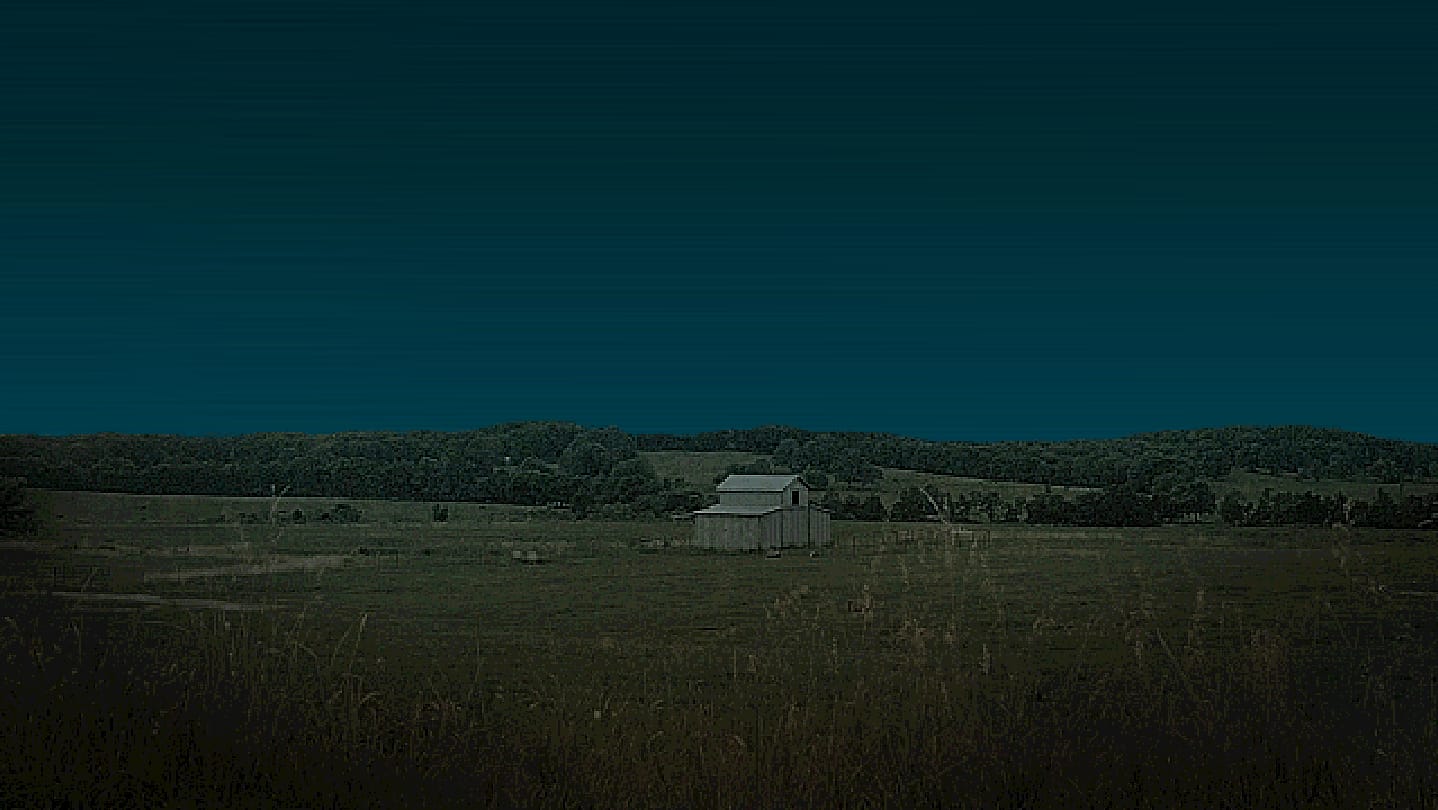
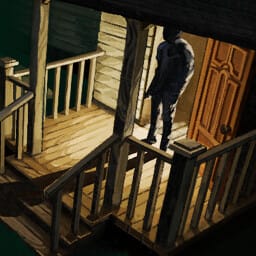

Bottom Line: Trioskaz has built the most nerve-shredding door in gaming — a paranoia machine where every knock is a coin flip between mercy and massacre. It fumbles the landing on repeat playthroughs, but the first run is one of the best horror experiences of the year.
The Gameplay Loop
The core loop is deceptively simple and psychologically brutal. Knock. Peephole. Talk. Decide.
What makes it work is information asymmetry that never resolves. You get a face, a voice, a story, and a handful of environmental documents. You do not get a scanner, a confidence meter, or a post-decision verdict screen. You bar the door, the night passes, and you find out whether you murdered someone by omission only if the game feels like telling you. That absence of feedback is the single smartest design decision here. Most inspection games — including the genre's founding text — eventually tell you that you erred. Trioskaz mostly doesn't. Your mistakes accumulate as ambient dread rather than red stamps.
The interrogation itself is where the writing carries enormous weight, and the writing is genuinely sharp. Guests aren't puzzle-boxes reciting alibis; they're people with mannerisms, agendas, and a very human tendency to lie about non-monster things. A woman might dodge a question because she's a Visitor, or because she's ashamed of what she did to get here. The game's dark humor — and there's more of it than the marketing suggests — is doing structural work, not just tonal seasoning. A joke lands, you relax, and the relaxation is the trap.
Then the door closes and the second game begins. Daytime management could easily have been filler between the good bits. It mostly isn't, because it converts your night decisions into arithmetic. Admit four people, and the water math turns hostile. Admit a wounded man, and bandages come out of someone else's future. Survivors argue, form factions, and start eyeing each other. The house becomes a second interrogation room, and the paranoia curdles inward — you begin auditing people you already let in.
Where the Seams Show
Here's the honest part. The tells are inconsistent, and the game's biggest weakness is that it knows this and leans on it anyway.
Some Visitor signals are exquisite — the kind of wrongness you feel in your stomach three seconds before you can name it. Others are effectively unreadable on a first encounter, distinguishable only in hindsight or after a wiki dive. The community complaint that certain calls come down to luck rather than deduction is fair, and it's not a nitpick. In a game built entirely on the premise that careful observation is rewarded, every coin-flip encounter undermines the contract. There's a meaningful difference between "I was deceived" and "I was not given enough to work with," and No, I'm not a Human crosses that line more often than a game this confident should.
The other issue is decay. The first run is extraordinary. The second is very good. By the third, the day loop's rhythms — the same rationing menus, the same conflict-mediation beats — start to feel like a tax you pay between the encounters you actually want. Branching endings and randomized guests extend the tail, but they don't fully disguise a skeleton you've now seen. The 60 achievements are an admission of this: they exist to give you a reason to keep opening the door after curiosity has run dry.
Pacing and Onboarding
Onboarding friction is refreshingly low. There's no tutorial lecture, no tooltip carpet-bombing — you learn the mechanics by having them hurt you. That's the correct approach for horror, where confusion is atmosphere. The 4-6 hour run length is well-judged; this is a game with a tight emotional arc, and stretching it to twelve hours would have shattered the tension it spends its whole runtime building.