
Overview
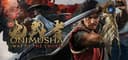
Two decades is a long time to leave a sword in its sheath. Onimusha: Way of the Sword is the first all-new entry in the series in roughly that span, and CAPCOM Co., Ltd. has brought it back as a single-player sword-fighting action game. There is no co-op mode and no multiplayer.
The setting is a dark-fantasy Kyoto in the early Edo period. Demonic Genma have overrun its shrines, temples and streets, and the player’s samurai answers with the Oni Gauntlet. The relic lets him fight the Genma and absorb the souls of the defeated, which restore health and power his abilities. The tone blends samurai drama with horror, and the gore is frequent.
The game released September 3, 2026 on Steam, PlayStation and Nintendo Switch 2. There is no iOS or Android version. It is a paid release at $69.99, with cosmetic sword-appearance add-ons sold separately.
It arrives in a market crowded with parry-centric action games, and the comparison is unavoidable. Onimusha’s answer is its own heritage: the one-hit Issen counterattack predates the current fashion for deflect-heavy combat, and Capcom builds the whole fight system around it.
Reception is generally positive, with the combat and boss fights drawing the strongest notices and the structure drawing the main criticism. We rate it as a good revival with a clear combat strength and a clear structural weakness.
Key features
- Weighty, deliberate swordplay: Combat runs on blocking, well-timed deflects and parries, not button-mashing aggression. Every exchange asks the player to read an attack before answering it.
- Issen counterattacks: The series’ signature one-hit counters return and reward precise timing with an instant kill. They are the system’s highest-risk, highest-payoff move.
- The Oni Gauntlet and soul absorption: Defeated Genma release souls that restore health and power abilities, so healing and resources flow directly from fighting well.
- Interconnected Kyoto: Exploration runs through linked areas of the city, from shrines to streets, rather than a sprawling open world.
- Visions of the past: Uncovering visions of earlier events delivers story context during exploration.
- Large boss duels: Elaborate set-piece fights pit the player against both monsters and rival swordsmen.
- Switch 2 motion controls: The Nintendo version adds motion input, the one platform-specific feature in the line-up.
Analysis
Combat
The fight system is the reason to buy this game, and Capcom knows it. The design vocabulary is defensive first: block, deflect, parry, then punish. That ordering matters. Offence-led action games let players overwhelm an encounter, while this one makes them earn each opening. Its weight comes from committing to a swing and living with the consequences.
The Issen is the smartest piece of that design. A one-hit counter tied to precise timing creates a constant temptation: take the safe block, or gamble on the perfect answer and end the exchange immediately. Good action design gives players a reason to take risks they could avoid, and the Issen does this in every encounter, including against the weakest enemy in a room. It also gives the game a skill ceiling that survives well past the opening hours. Mastery is visible, and it shortens fights.
Soul absorption closes the loop. Health and ability power both come from defeated enemies, so the game pays aggression and precision in the same currency. A player who fights cleanly stays topped up, while one who fights badly runs dry. This is a tidier economy than a stock of healing items, and it keeps attention on the sword instead of the inventory.
Boss Duels
The bosses split into two types, monsters and rival swordsmen, and the split is a sound structural choice. Monster fights supply spectacle and scale. Duels against human opponents test the deflect-and-parry system in its purest form, blade against blade. The duel format is the clearest test of the combat system, and it is where the design is most legible.
Exploration and Structure
Between fights, the game moves through interconnected areas of Kyoto. We consider this the right scale for a combat-first game: linked districts give a sense of place and room for secrets, without the dead travel time of an open world. A city of shrines and temples overrun by demons also suits the horror half of the tone.
The trouble begins with everything layered on top. The main criticism of the game is structural: story and side activities pull in too many directions. The mix of samurai drama, horror and visions of past events is ambitious, but ambition without focus dilutes the pacing. When the combat is this disciplined, slack material around it becomes more visible. Each detour that fails to feed back into the swordplay is time spent away from the best thing the game does.
This is a real flaw, though not a fatal one. It affects the connective tissue rather than the main systems, and players who come for the fighting will find the fighting intact. Those hoping for a tightly told samurai story to match the precision of the combat should lower expectations by a notch.
Difficulty and Audience Fit
A system built on timing windows carries onboarding friction by nature. The emphasis on precise deflects and one-hit counters suggests a game that asks for patience and repetition, particularly in boss encounters. That suits the audience that made parry-driven action a dominant style. It is a harder sell for players who prefer loose, forgiving combat or who want narrative to lead.
Visuals & performance
The art direction rests on one strong contrast: historical Kyoto against demonic invasion. Shrines, temples and city streets give the game a grounded architectural identity, and the Genma supply the grotesque counterpoint. Period drama and horror are not easy to hold together, and the unified city setting gives both a consistent visual anchor.
The gore is frequent and central to the presentation. It fits the horror framing and gives the one-hit Issen kills a visceral payoff, but it also narrows the audience. This is not a game for younger players or the squeamish.
Responsive input and steady frame delivery are design requirements for combat built on parry timing; a port that cannot meet them would undermine the system. The Switch 2 version adds motion controls, but precision-timing combat makes that an optional extra rather than the default way to play. On PC, hardware variation is the usual caveat.
Platform nuances
Steam (PC): The PC version carries the full game. A timing-driven sword game suits a controller by design; a gamepad is the natural fit. The Steam store page sits behind an age gate, in line with the violent content.
Nintendo Switch 2: This is the only version with a unique feature, motion controls. Motion input gives a sword-fighting game obvious thematic appeal, though precision-timing combat is a demanding test for it. How much of the game can be played that way is not documented, so we would treat it as an optional extra, not a reason to choose the platform. The better argument is portability: a demanding action game on a handheld hybrid has obvious appeal.
Editions and pricing: The game is a paid release at $69.99, with cosmetic sword-appearance add-ons sold separately. The add-ons are cosmetic, which keeps monetisation away from gameplay. Even so, paid sword skins are upsell a single-player game does not need; buy the base game unless a specific extra appeals.
Final verdict
Capcom made the right bet. Rather than chase scale, it rebuilt Onimusha around the one idea the series always owned, the perfectly timed counter. It then surrounded that idea with a defensive system deep enough to sustain a full game. The Oni Gauntlet’s soul economy rewards skill directly, and the bosses give that skill a worthy examination.
The weakness is everything that is not a sword fight. An unfocused story and scattered side content keep the game out of the top bracket, and paid cosmetic add-ons add clutter that a single-player release does not need. Those are real deductions, but they are deductions from a high starting point.
We recommend Onimusha: Way of the Sword to anyone who plays action games for the combat itself. The swordplay is the reason to buy, and the boss duels give it a clear proving ground. Players who need a focused story or forgiving combat should look elsewhere.
Reviewed by the Rankeno RPG & Adventure Desk. Scores are out of 10; the overall score is the desk’s editorial judgement, informed by the four sub-scores above. How we review